Pathways with Purpose
A Leading School Division Expanding Career Tech, Land-Based Learning, and Flexible Education Models
With a renewed vision shaped through broad stakeholder input, Lloydminster Public School Division is sharpening its focus on what students need most in today’s evolving education landscape: safety, belonging, relevance, and opportunity.
Superintendent of Curriculum and Instruction Tricia Rawlake describes the division’s updated vision as a commitment to creating a community where all learners feel safe, experience a sense of belonging, and are inspired to achieve their greatest potential. That belief, reinforced by Director of Education Jason Neville, is guiding both program expansion and the supports that help students and staff thrive.
The division has continued to strengthen its approach to student success through expanded career and technical pathways, enhanced STEM capacity, deeper integration of Indigenous perspectives, and new models of flexible learning designed to meet students where they are.
A central theme across Lloydminster’s strategy is proactive support for mental health and well-being. Neville explains that counseling is available across division buildings, complemented by a mental health capacity-building team at the high school level. This team works alongside educators to help strengthen teacher capacity, support early identification of student needs, and build classroom-level strategies that reduce the likelihood that challenges escalate.
Putting the Student First
At the elementary and middle school levels, the division uses programs such as SHINE to help students develop skills that support emotional regulation and resilience before they need more intensive services. For Lloydminster, the emphasis is not only on response, but on prevention, recognizing that systems and community support are under strain and that proactive skill-building helps students, staff, and families.
Career, technical, and trades-focused learning has also expanded, aligned with community growth and workforce realities. Rawlake notes that the division has increased emphasis on STEM programming and trades-based curriculum, while also embedding Indigenous perspectives into learning across grades. A key tool supporting career planning is MyBlueprint, used by students in grades seven through 12 for strengths-based exploration, interest profiling, and the creation of graduation and beyond plans. The goal is to make transition planning a continuous process beginning in earlier years rather than a last-minute focus near graduation.
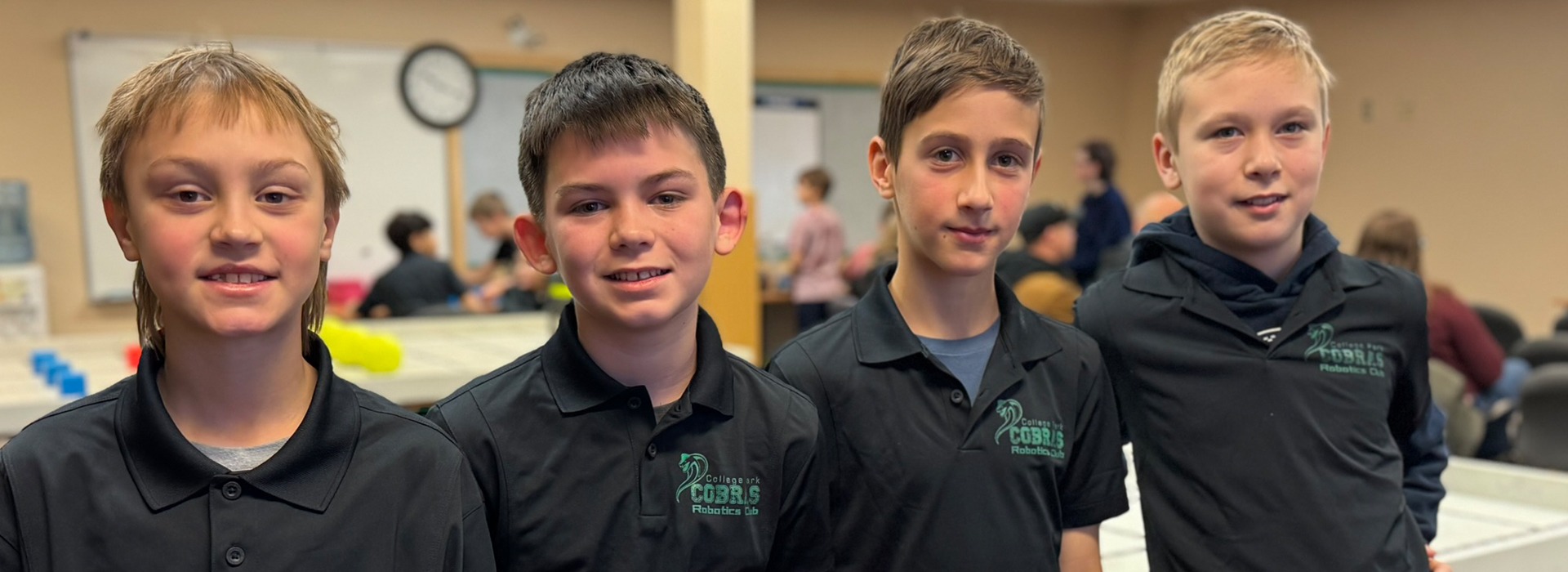
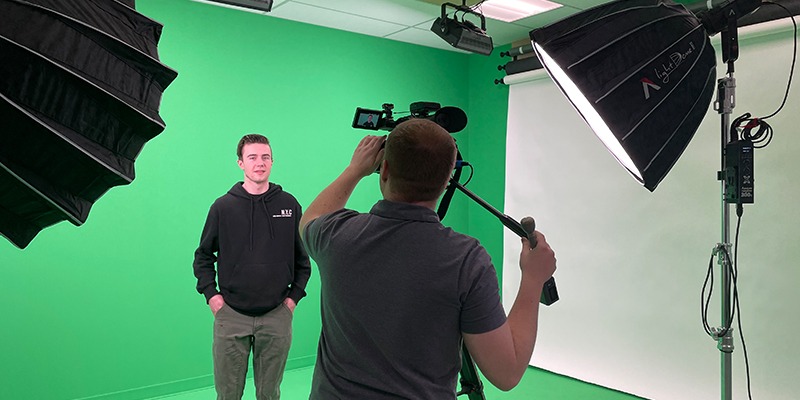
On the STEM side, Lloydminster has invested in robotics and hands-on technology experiences across the division. Rawlake highlights strong instructional examples, including a grade 10 science STEM classroom where real-world scenarios, electronics, and robotics have been embedded through grants and targeted classroom design, with student results reflecting high engagement and achievement. Neville also points to a major capital milestone that has strengthened STEM infrastructure at scale: the completed expansion of Lloydminster Comprehensive High School. Finalized just over a year ago, the project added a state-of-the-art STEM classroom, a fully equipped videography and photography studio, a green screen room, and additional technology-enhanced spaces that broaden what students can access within a modern learning environment.
Career Pathways to Success
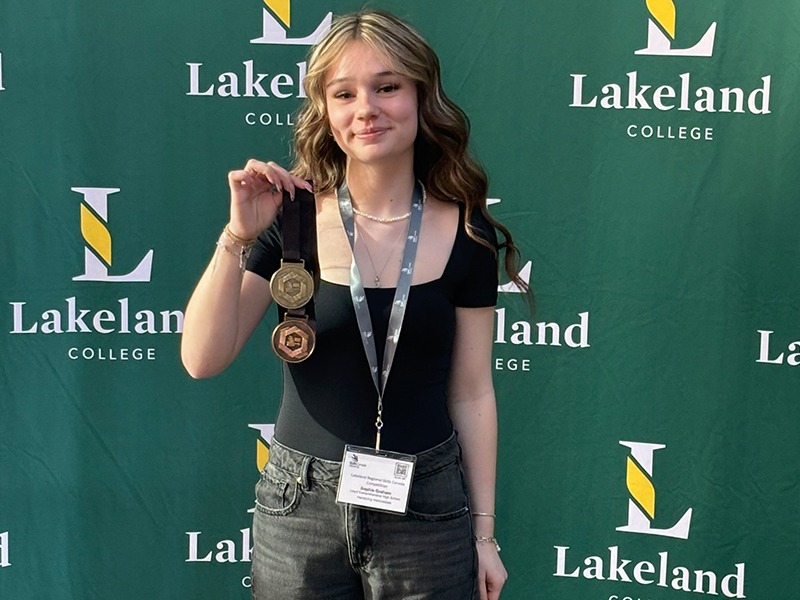
That expansion also supported deeper growth in skilled trades programming. The high school now includes expanded shop capacity, including additional wood shop space, and continues to offer areas such as welding, machining, automotive, and other hands-on technical disciplines. The division’s participation in Skills Canada has been a consistent source of student achievement, with learners earning high-level recognition in areas such as electrical, construction, and welding, as well as success in other applied competitions. Lloydminster’s leadership emphasizes that program breadth in a high school setting is made possible both through scale and through finding the expertise required to deliver these specialized courses.
For students seeking real workplace experience, Lloydminster offers multiple pathways. Work experience and co-op opportunities are available, along with apprenticeship-aligned programming that allows students to earn high school credit while accumulating hours toward apprenticeship certification. The division also maintains dual credit opportunities through Lakeland College, providing students with the ability to earn both high school and postsecondary credit while beginning a transition into career training. Current dual credit offerings include three courses, with leadership noting that new areas such as healthcare are being explored through ongoing conversations. Because Lakeland College determines programming design, the division sees its role as creating access, aligning pathways, and ensuring students can enter these opportunities with support and guidance.
Investing in students also means investing in teachers. Lloydminster places strong emphasis on mentorship and professional support, particularly for new educators. Rawlake outlines a teacher mentorship program where new teachers receive professional development and are paired with mentors to help them navigate their first year. The division’s coordinator of curriculum and instruction supports this work through classroom observations, feedback, and instructional resources, with the program also open to second-year teachers. Additional supports include a literacy coordinator who can assist directly in classrooms and a First Nations, Métis, and Inuit education consultant who supports culturally responsive learning and inclusion practices. The division believes that strong teacher support directly reduces stress and strengthens student outcomes, reinforcing a culture where teachers feel equipped rather than isolated.
Teachers Take Center Stage
In terms of retention, leadership describes Lloydminster as relatively stable compared to many systems facing high turnover. Neville notes that he has not seen retention as a significant issue in his three years with the division, with many teachers remaining long-term and a trend of Lloydminster graduates returning to teach. Rawlake adds that the division has historically ranked among the highest in provincial retention comparisons, regularly recognizing staff with decades of service. Where recruitment can be more challenging is in niche instructional areas such as machining, welding, automotive, cosmetology, and other specialized electives where finding someone with both industry expertise and teaching credentials can be difficult. Even there, the division continues to pursue solutions through community connections and program planning.
Initiatives That Shine
Two newer initiatives stand out as indicators of where Lloydminster is headed. The first is the Pursuit School of Sport, launched this September, designed around flexible learning for students engaged in competitive athletics. The model supports students who travel frequently by ensuring learning materials, lessons, and academic expectations are structured so students can maintain progress while training and competing. Technology plays a key role, enabling blended learning structures, access to class content while away, and individualized pacing where students may work across multiple subjects within a flexible schedule. In this model, school adjusts to the student’s reality rather than forcing the student’s life to revolve entirely around a traditional timetable.
The second initiative is a major expansion of land-based learning and Indigenous education partnerships. Neville describes the division’s intent to create a land-based learning hub, ideally through partnership with a local farmer or landowner, to reduce barriers associated with equipment setup, transportation, and finding suitable locations. The vision is to create a consistent place where materials and resources can remain in place year-round so teachers and students can access learning in a more streamlined way.
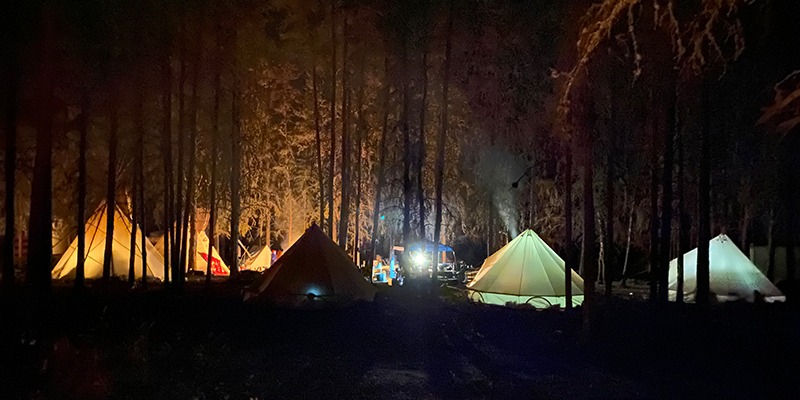
Rawlake provides powerful examples of how land-based learning is already being implemented. The division has established land-based pathway homerooms in grades eight and nine, with opportunities extending into grade 10. Lloydminster also has a partnership with Onion Lake Cree Nation that has enabled significant cultural learning experiences. Early in the year, the division facilitated a culture camp involving more than 100 students with Elders and Knowledge Keepers, where students participated in traditional teachings and hands-on experiences such as harvesting and preparing food, hide work, snaring, canoeing, and learning in teepees.
Partnerships with Lloydminster Fish and Game have also supported canoe trips, Indigenous Games, pole harvesting, and additional teachings. At the high school level, the Small Fires mentorship program supports Indigenous youth leadership by having older students mentor younger learners through cultural teachings, blanket activities, and Cree language learning, strengthening identity, connection, and leadership within the school community.
Early years programming is another area of expansion since the prior feature. Lloydminster has moved to full-time kindergarten across its elementary schools and offers before and after school care at every elementary site, creating tangible support for families while strengthening student readiness and social development. The division has also been awarded a Family Resource Center and serves as the accountable partner, enabling new programming and support for young children and caregivers. Rawlake notes early years initiatives that include practical family support and self-regulation programming, helping students and parents build foundational skills that carry forward into the later grades.
The Educational Path Ahead
Looking ahead over the next two years, leadership describes a continued focus on expanding opportunities and pathways that increase engagement and attendance while keeping students connected to learning. Rawlake emphasizes the value of “pick your passion” models that allow students to pursue areas that motivate them while ensuring academic support remains strong. Neville adds that mental health capacity building will remain a priority, along with continued efforts to expand flexible learning models beyond sport, exploring whether similar structures could support other pursuits such as the arts.
Across career tech, dual credit, trades, STEM, early years, and land-based learning, Lloydminster Public School Division is building a learning ecosystem that reflects both the realities of the modern economy and the deeper needs of students. By combining proactive well-being support with innovative programming and community partnerships, the division is positioning learners not only to graduate, but to thrive with purpose, identity, and direction.
AT A GLANCE
Who: Lloydminster Public School Division
What: An innovative school division that is looking to future career readiness and evolving student success models
Where: Lloydminster, Alberta
Website: www.lpsd.ca
PREFERRED VENDORS/PARTNERS

Tam & Jay’s Contract & Mechanic
Services: www.tamandjayscontracting.ca
Tam and Jays Contracting has been proudly serving Lloydminster and area since 2006. Our property maintenance services include snow removal, line painting/striping, parking lot sweeping, and Lawn care. We have a large variety of equipment to maintain our customers needs and make sure the job meets your requirements.

The Workun Garrick Partnership: www.workungarrick.com
The Workun Garrick Partnership Architecture and Interior Design Inc. is a collaborative architectural and interior design firm with over 70 years of experience, recognized as a leader in educational facility design. With a strong focus on schools, community, and First Nations projects, the firm delivers adaptable, culturally aware, community-centred design solutions across diverse building types.