Smart, Strategic Growth
Building a City Center, Protecting Rural Character, and Elevating Quality of Life
In Fairview, Tennessee, the conversation about growth begins with a clear-eyed acknowledgment of change—and a commitment to steer it. Fresh from a strategic planning session, city leadership has aligned around a simple, resonant theme: smart, strategic growth that welcomes progress while protecting the rural character residents cherish.
City Manager Tom Daugherty—a fourth-generation Fairview native with deep roots and a finance background—describes the approach as pragmatic and people-first. Fairview will always be closely tied to the Nashville metro employment market, he notes, but the city’s focus is squarely on quality of life: the amenities, safety, green space, and small-town spirit that make it one of the best places to raise a family.
That quality-of-life lens has become even more important as the cost of living has shifted. Property values have climbed sharply in recent years, with the median home value rising from roughly $256,800 in 2020 to about $446,619 in 2025. As part of Williamson County—long recognized as Tennessee’s wealthiest county—Fairview has felt that escalation more acutely than some neighbors that already had higher baselines.
The market has cooled and stabilized from its peak, but the step-change in values is unmistakable. It brings benefits in household wealth and tax base dynamics—and pressures, too, for long-time residents and for public-sector pay scales in an increasingly competitive labor market.
Even so, the city chose to hold its property tax rate neutral in this assessment year. Finance Director–turned–City Manager Tom and Economic & Community Development Director Patty Carroll explain that Fairview raised its rate in 2016 and again in 2022; leadership felt the city could navigate 2025 without another increase. Hindsight always brings second-guessing—especially with regional wage escalation in public safety—but the decision reflects Fairview’s careful balance between fiscal responsibility and resident impact. Salaries and retention are now front of mind.
“Our people are our greatest asset,” Daugherty says. “If we don’t take care of our team, everything else eventually suffers.”
The central storyline of Fairview’s next chapter is the City Center—a multi-phase mixed-use district rising along Highway 100. The site has broken ground, and crews have already installed stormwater systems and utility lines; ten single-family homes have gone up on the back side as the project moves toward vertical construction, expected to begin in fiscal 2026. The plan steps purposefully from street-facing shops and restaurants to condominiums, and then transitions to single-family neighborhoods, knitting new housing directly to everyday conveniences. A planned greenway will connect City Center into the park system, and sidewalks will extend walkability within the district and out to surrounding streets.
“City Center will be a game-changer,” Daugherty says. “It puts front-door energy on Highway 100 while threading new residences into a neighborhood fabric that lets people walk to dinner, to a pocket park, to a trail.”
Momentum isn’t limited to that single site. Within a quarter mile of the project, additional condominium developments are queued up, and across town the residential pipeline is robust: approximately 3,200 housing units—a mix of single-family homes and multifamily—are approved across about nineteen active developments. That scale of activity underscores both Fairview’s draw and its planning challenges.
The city is finishing a comprehensive code rewrite in the next two to three months to lock in design standards, open space expectations, and the “feel” leaders want to preserve as new neighborhoods come on line. Daugherty and Carroll are also preparing a formal push around conservation and land trusts, giving local landowners options to protect agricultural and rural tracts for future generations while finding reasonable economic pathways to do so.
While City Center’s tenant roster is not yet public—leases are controlled by the private development team—the wider market is already responding.
A small business complex recently opened with five suites; three filled quickly, including a Cornerstone Financial Credit Union, a nail salon, and a Papa John’s. An Ace Hardware is in the works, and the city has fielded interest from a healthcare provider and a light industrial manufacturer considering local sites. Some of those conversations remain exploratory, but the tone has changed: operators who once looked past Fairview now see clear reasons to plant a flag.
Public safety and mobility are growing alongside private investment. A new fire station is slated for the corner of a redesigned intersection where Horn Tavern Road meets Highway 96. Today, Horn Tavern hits 96 at an awkward angle; the project will square it to 90 degrees, add a signal, and deliver the response-time improvements residents expect as population grows—particularly near the city’s largest-ever subdivision.
On the west side, Fairview is moving forward on one of its most stubborn trouble spots: the intersection of Highway 100 and Cumberland and Crook Cut, long considered among the city’s most dangerous. Plans call for a new signal, widening, and—importantly—continuous sidewalks. The goal is to stitch safe pedestrian routes from the town’s center to the west side schools, transforming what used to be a patchwork of gaps into a legible, walkable network. “Walkability is a priority,” Daugherty says. “Kids should be able to get to school and activities on continuous sidewalks.”
Fairview’s utility picture is unique among peers: the city doesn’t own or operate the electric, gas, water, or sewer systems within its limits. Middle Tennessee Electric handles electric service; Piedmont (now under new ownership) provides gas; Dickson Water manages water and sewer. The arrangement has obvious tradeoffs—less control over capital prioritization, but also significant savings in city overhead.
Fairview remains tightly coordinated with providers, advocating for capacity expansions that match growth. Recent fiber investments supported by county grants are widening high-speed internet access, and the city continues to work through the GNRC regional transportation process to advance corridor upgrades. Highway 100 remains a state-managed facility, which complicates widening timelines, but Fairview has adopted a practical interim strategy: require developers along the corridor to install turn lanes as they build, slowly unlocking throughput and safety improvements one frontage at a time.
A separate thread of work is about first impressions. Exit 182 at I-40—the gateway many visitors see—is “dark and gloomy,” Carroll says, especially compared to the vibrant streets just a few miles south. The city pursued and won a grant to install interchange lighting, the first step in a broader effort to clean up the corridor and reposition it for hotels, restaurants, and services that suit a highway gateway.
Taken together with a grant to “light up” the Highway 96/I-40 interchange, and a long-term push to open the I-840 corridor on the west side, Fairview is visibly widening its development map. There is land—not cheap, but strategically located—and the city’s centrality is a selling point in every pitch. “We’re thirty minutes from everywhere,” Carroll says. “Downtown Nashville, Dickson, Franklin—we’re at the crossroads of I-40, I-840, Highway 96, and Highway 100. If you want a job close to home, our goal is to have it here for you.”
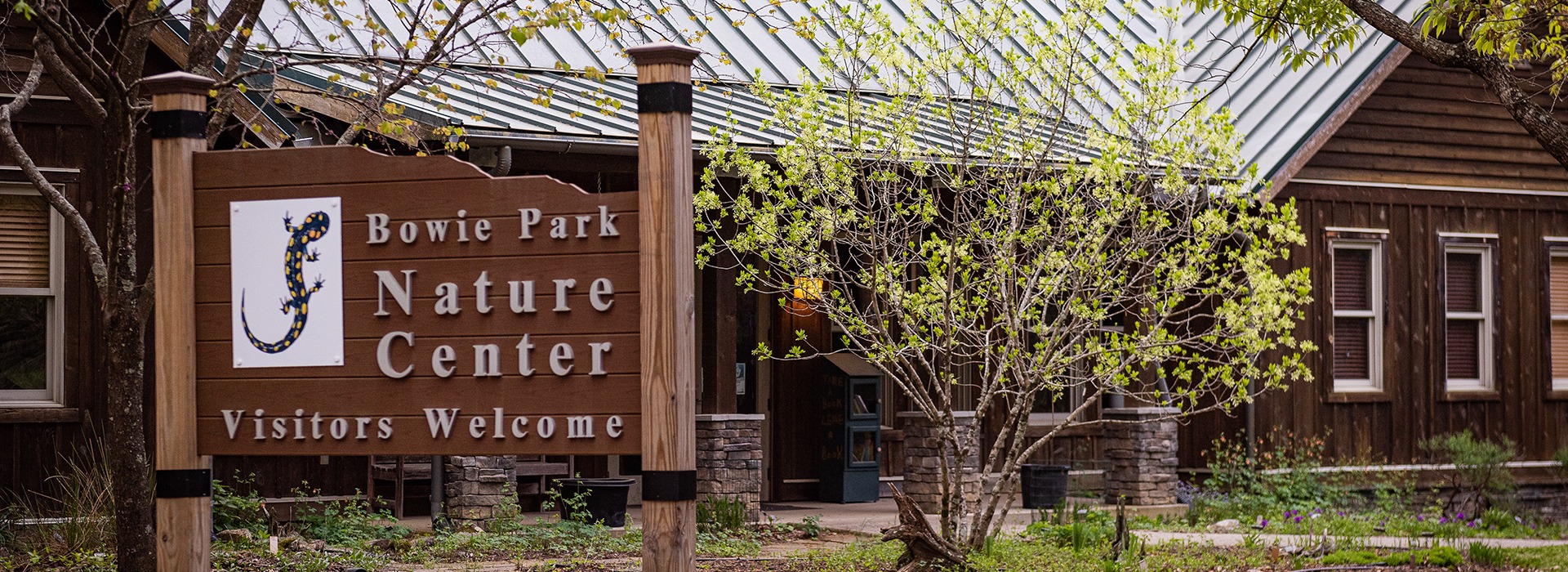
If the economic narrative is compelling, the green narrative is beloved. Fairview’s 700-acre Nature Park, protected by a conservation easement, sits in the heart of town and anchors the city’s identity as much as any civic building. It hosts festivals, concerts, and day camps, and its programming team constantly finds new ways to engage families in the outdoors.
The park is untouchable in the best sense: shielded for future generations, even as the city grows around it. A complementary Historic Village project is advancing on the planning table, with grants in play for a farmers market, amphitheater, bathrooms, and a loop walking trail. The venue is being designed to comfortably host 300 patrons, giving Fairview a flexible new stage for arts, education, and community life.
Elsewhere, a new nine-acre park—dedicated land from a nearby subdivision—will become Veterans Park, another neighborhood-scale green anchor. City staff are also demanding more and better open space in private developments: pools where appropriate, playgrounds and fields for children, and passive green belts that give neighborhoods breathing room.
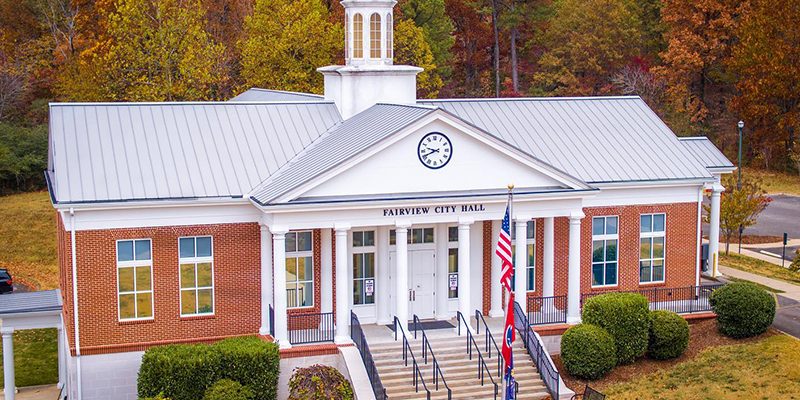
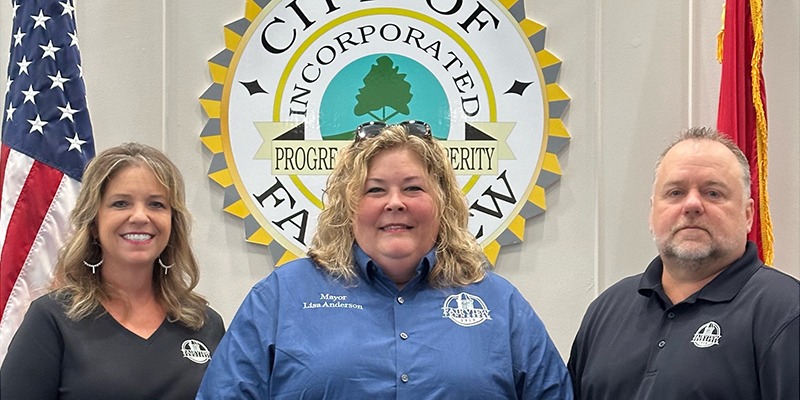
These big civic moves have been accelerated by organizational decisions that sound small but matter. When City Center, the fire station, and police facility projects lingered as wish-list items, Daugherty—then the finance director—stepped into the city manager role and brought a “get it done” mindset. Carroll credits his institutional knowledge and hometown pride for the progress. “He’s lived here his whole life,” she says. “He knows the dreams this city has had, and he’s made it his mission to move them off the page.”
Daugherty is quick to add that Fairview’s commission form of government, with five elected leaders and terms that can turn over every two years, makes continuity challenging. He considers it a point of pride that the administration has kept projects moving through those political cycles. “You’re either growing or dying,” he says. “We’re growing at a healthy pace—ambitious, but manageable.”
Looking ahead eighteen to twenty-four months, priorities are crisp.
The first priority city staff indicate is its people—retaining and fairly compensating the city’s workforce in a competitive market, especially in public safety, where surrounding jurisdictions have lifted pay scales. Second is orderly growth—using the code rewrite, conservation tools, and the City Center blueprint to deliver diversity in housing and business offerings without losing Fairview’s rural edges. Third is mobility and safety—the Horn Tavern/96 realignment with the new fire station, the Highway 100/Cumberland & Crook Cut signal and widening, and the sidewalk build-out that closes gaps to schools. Fourth is economic development—securing the right tenants for City Center, coaxing hospitality and service uses to the interstate gateways, and cultivating employers who add stable, well-paying jobs for residents who prefer to work close to home.
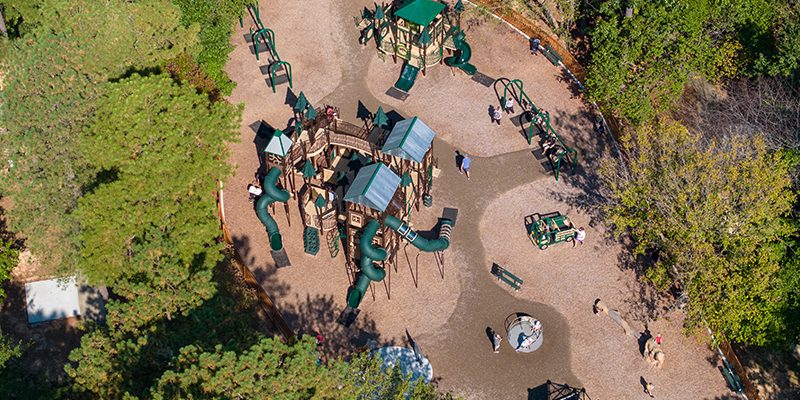
Threaded through each initiative is a simple promise: Fairview will engage its community and keep its character front and center. City Center’s retail and dining will arrive with a greenway that plugs directly into parkland. The push for rooftops will ride alongside a push for fields, trails, and tree canopy. The industrial and interstate corridors will clean up and modernize without overshadowing the historic, small-town streets that residents love. And while property values have undeniably shifted the math for many families, the city’s fiscal posture and service priorities are set to ensure that long-time Fairview neighbors can still see themselves in the future that’s coming.
“Growth is here,” Daugherty says. “Our job is to shape it so Fairview stays Fairview—safe, friendly, and grounded in the places and traditions that make people proud to call this community home.”
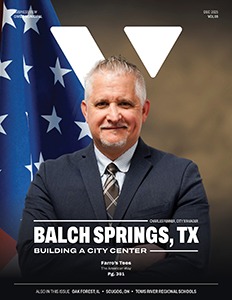
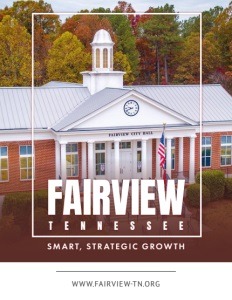
Click The Cover To View Or Download The Brochure
AT A GLANCE
Who: Fairview, Tennessee
What: A growing municipality that has a masterplan in place to welcome development and balance hometown charm
Where: Tennessee, USA
Website: www.fairview-tn.org
PREFERRED VENDORS/PARTNERS

Regent Realty LLC: www.regenthomestn.com
Regent Homes is a trusted Middle Tennessee developer and builder and is known for thoughtful design, quality construction, and community-focused planning. Their portfolio includes commercial spaces and innovative live-work properties that blend convenience, functionality, and modern style, contributing to the growth and character of the greater Nashville area.