Meet Me at the Fair
Advocacy, Education, and the Enduring Economic Power of Fairs
For generations, fairs and fairgrounds have served as cultural cornerstones—places where agriculture, entertainment, education, and community converge. Yet despite their familiarity, the scale of their economic and societal impact is often misunderstood or underestimated. That is precisely the gap the International Association of Fairs and Expositions (IAFE) is working to close.
Under the leadership of David Grindle, President and CEO of IAFE, the organization has sharpened its focus on data-driven advocacy, professional education, and storytelling that clearly articulates why fairs remain not only relevant—but essential—to modern communities.
Where Advocacy and Education Intersect
At its core, IAFE operates around two closely linked pillars: advocacy and education. While distinct in purpose, the two often overlap. Education equips fairs with the tools they need to operate more effectively, while advocacy ensures policymakers and communities understand the broader value fairs deliver.
From helping fairs modernize operations and attract new audiences, to engaging lawmakers at the local, state, provincial, and federal levels, the association serves as both a resource and a voice for an industry that spans the United States, Canada, Australia, and the United Kingdom.
“One of our challenges,” Grindle explains, “is that fairs are sometimes viewed as nostalgic or quaint—something tied only to the past. In reality, they are dynamic economic engines and community assets that deserve the same consideration as any other major infrastructure.”
A $30 Billion Industry Hidden in Plain Sight
To quantify that impact, IAFE recently released the first comprehensive economic impact study focused solely on agricultural fairs in the United States. The findings were striking. Across roughly 1,400 fairs, each averaging just under seven days in duration, agricultural fairs alone generate approximately $30 billion in economic activity annually.
That figure reflects only the operation of the fairs themselves. It does not include carnivals, traveling concessions, scholarships, or community fundraising activities—elements that further amplify the total impact.
Attendance data was equally compelling. Using geofencing technology to capture participation beyond ticket sales—particularly at free-admission fairs—the study found that nearly 98 million people attend fairs each year. That represents close to 29 percent of the U.S. population and exceeds combined attendance at Major League Baseball and the NFL.
“The accessibility of fairs matters,” says Grindle. “They’re local, affordable, and woven into everyday life in a way large professional sports simply can’t be.”

Navigating Legislative and Workforce Challenges
One of the most pressing advocacy issues facing the fair industry involves temporary labor. Carnivals and concessions rely heavily on skilled, mobile workers who assemble, operate, and disassemble complex equipment as they move from fair to fair. Yet visa and labor regulations have not always reflected the unique nature of that workforce.
In the United States, IAFE has been working with Congress to reclassify these workers into visa categories more aligned with their actual roles—closer to circus workers than traditional agricultural laborers. In Canada, the association has engaged with Members of Parliament to clarify how temporary fair workers should be treated within provincial labor frameworks.
“These are highly specialized jobs,” Grindle notes. “They’re not taking employment away from local workers. The training required is extensive, and the work is inherently mobile.”
Beyond workforce concerns, zoning pressures and land-use disputes have become increasingly common as communities grow. Developers often see fairgrounds as underutilized land, overlooking the revenue, emergency services training, graduations, and year-round events these spaces support. In response, IAFE provides not just advocacy at higher levels of government, but also equips local fairs with the tools and training needed to advocate effectively within their own communities.
Education That Strengthens the Entire Industry
Education is where IAFE’s impact becomes deeply tangible. The association offers an extensive suite of online courses, live training sessions, regional workshops, and its flagship Institute of Fair Management—a professional development program designed to support both volunteer-led and professionally managed fairs.
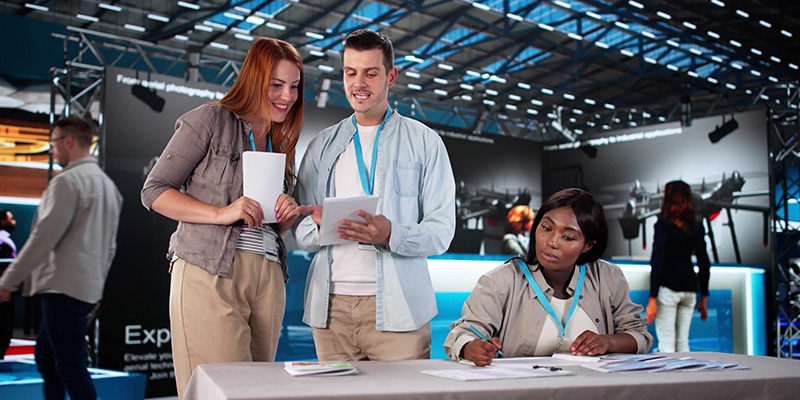
The Institute addresses the full scope of fair operations, from facilities management and HVAC systems to agriculture programming, entertainment booking, and safety planning. Graduates emerge with a deeper understanding of how to operate sustainable, resilient fairgrounds.
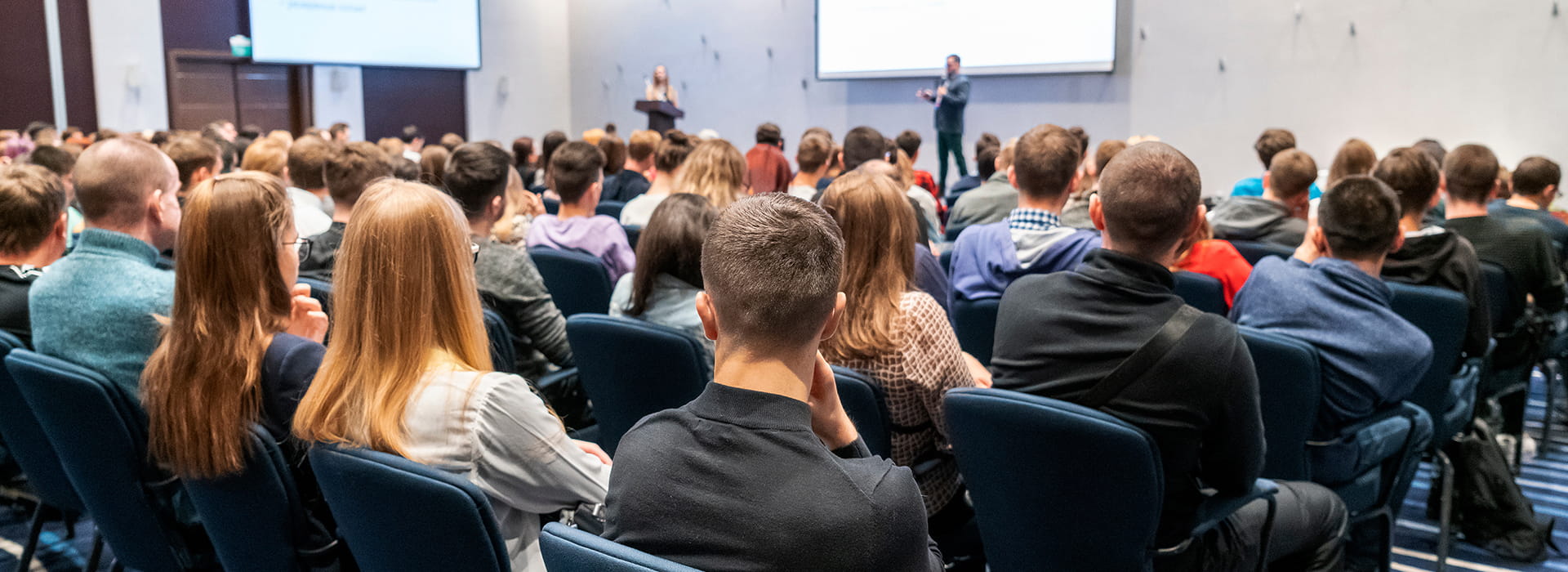
In addition, IAFE hosts regional learning events and an annual convention each December, rotating locations across North America. These gatherings increasingly incorporate voices from outside the traditional fair industry, including experts in theme parks, rural development, event security, and legal compliance—reflecting a growing recognition that innovation often comes from adjacent sectors.
Technology, Data, and the Role of AI
Technology adoption across fairs has accelerated, particularly in areas such as cashless payments and electronic ticketing. These systems improve transparency, simplify auditing, and enhance the attendee experience. Some carnival providers now use RFID wristbands that not only manage ride access but also improve child safety by allowing staff to quickly locate lost children through real-time data.
Looking ahead, Grindle sees significant potential in artificial intelligence. By analyzing years of attendance and weather data, fairs may soon be able to better predict staffing needs, food and beverage demand, and operational adjustments—allowing them to serve guests more efficiently while reducing waste.
“AI won’t replace human judgment,” he says, “but it can help us anticipate needs and make smarter decisions.”
Reconnecting Communities with Agriculture
Perhaps the most profound role fairs play lies in bridging the widening gap between agricultural production and consumption. With fewer than two percent of the population directly involved in farming, fairs remain one of the few places where people can engage meaningfully with where their food comes from.
Modern fairs increasingly showcase agricultural technology, robotics, soil science, and sustainability—helping visitors understand how sophisticated and innovative the sector has become. At the same time, fairs adapt to evolving demographics, integrating cultural villages and programming that reflect the diversity of today’s communities.
“These spaces bring people together,” Grindle says. “They allow conversations to happen—across cultures, across generations—that don’t always happen elsewhere.”
Looking Forward
Over the next two years, IAFE’s focus is clear: gather better data, tell stronger stories, and empower fairs to advocate for themselves with confidence. Effective advocacy, Grindle emphasizes, is not about confrontation—it’s about education and awareness.
“When people understand the full value of their fairground,” he says, “they protect it. They support it. And they ensure it remains a vital part of their community for generations to come.”
In an era defined by rapid change, fairs continue to prove that tradition and innovation are not opposites—but partners in sustaining vibrant, connected communities.
AT A GLANCE
Who: International Association of Fairs and Expositions
What: The association that represents and advocates for the growth and sustainability of fairs and the economic impact they bring, as part of our ongoing series profiling leading industry and sector-focused organizations across North America
Where: Springfield, MO
Website: www.fairsandexpos.com
