Keeping Future Economic and Job Directions Firmly in Mind
An Education System Designed for Life After the Bell
Teaneck Public Schools operates with a clear understanding of both its responsibility and its reach. Serving one of Bergen County’s most diverse communities, the district is guided by a mission that prioritizes equity, opportunity, and preparation for life beyond the classroom. From early childhood education through career and technical pathways, district leadership is intentional about building an educational system that supports every student while remaining deeply connected to the broader community.
That approach is rooted in the belief that education is not an isolated system, but a shared endeavor linking students, families, businesses, higher education institutions, and civic organizations. Dr. Andre Spencer, Superintendent of Teaneck Public Schools, frames this philosophy as the Teaneck Advantage. “Ultimately, we have a vision of Teaneck success for all,” Dr. Spencer states. “We believe every single child in our district deserves a quality education, and everything we do is geared toward providing that excellence.”
Equity Through Excellence
Teaneck Public Schools reflect the cultural, ethnic, and socioeconomic diversity of the community it serves. District leaders emphasize that diversity is not simply acknowledged but intentionally integrated into the educational experience. At the same time, expectations remain consistent and rigorous for all students.
Spencer explains that, regardless of background, students are expected to bring commitment and effort to their education. “We expect young people to give us their absolute best because that is what we give them,” he notes. He adds that this shared standard applies across academics, athletics, career exploration, and community involvement, reinforcing a culture of mutual accountability.
Supporting that expectation requires flexibility in how students are engaged and taught. Dr. Marshall Scott, Assistant Superintendent of Teaneck Public Schools, highlights the district’s commitment to educating the whole child. “All of our students learn differently,” Dr. Scott explains. “Our responsibility is to create multiple pathways that support their academic, social, emotional, and creative development.”
Those pathways span traditional academics, the fine arts, athletics, and career and technical education, ensuring students have opportunities to explore interests while building essential skills.
Building World-Ready Citizens
For Edward Ha, President of the Teaneck Board of Education, diversity is one of the district’s most valuable educational assets. Drawing from personal experience, he reflects on the lasting impact of growing up and learning in a diverse environment.
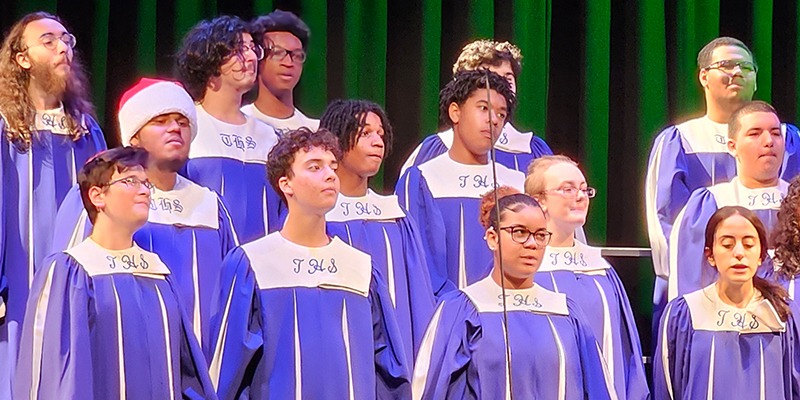
“When you talk about diversity, it is not just ethnic diversity, but also socioeconomic diversity,” Ha remarks. He shares that his children’s experiences in Teaneck Public Schools continue to shape their perspectives. “My daughter is now at McGill University, and when she comes home, she reconnects with friends from all backgrounds. That exposure stays with them.”
Ha emphasizes that learning alongside peers from diverse cultures and life experiences prepares students not only for college but also for life in a global society.
Early Learning with Purpose
Teaneck’s approach to student success begins well before kindergarten. The district operates two preschool programs serving children as young as three years old, designed to build strong academic and social foundations.
Dr. Spencer explains that the district uses the Tools of the Mind program, which emphasizes executive functioning skills. “We are focused on teaching communication, collaboration, and problem-solving from a very early age,” he states. Students engage in structured play that mirrors real-world community roles, such as learning about first responders, local government, and family responsibilities.
These experiences are reinforced through reading and guided discussion, helping students connect play with academic learning. Dr. Spencer adds that this early exposure allows children transition more confidently into kindergarten and prepares them for increasing academic demands.
Connecting Classrooms to the Community
Teaneck Public Schools positions itself as an active participant in the broader community, recognizing that strong partnerships enhance educational outcomes. Dr. Spencer notes that the district views itself as a microcosm of the community and believes collaboration is essential.
One key partnership is with Holy Name Medical Center, which supports both academic programming and wellness initiatives. Dr. Spencer notes that the district recently launched an elementary-level health science magnet program that addresses real health challenges in the community. “We are teaching students about nutrition, exercise, and healthy choices early on,” he explains, noting that the goal is prevention and awareness.
Higher education partnerships are equally important. Fairleigh Dickinson University offers professional development for educators and serves as a pipeline for psychology graduate students who work directly in district schools. Dr. Spencer emphasizes that these clinicians support students and families while gaining valuable hands-on experience.
Workforce partnerships also play a significant role. Through collaboration with Marriott, high school students participate in hands-on learning across hotel operations, including front desk services, food and beverage, housekeeping, and human resources. Dr. Spencer explains that these experiences offer students a realistic understanding of workplace expectations and organizational structure.
Dr. Scott adds that the district also partners with Bergen Community College through dual-enrollment and early-college programs, expanding access to college-level coursework for high school students.
Expanding Access to Higher Education
The partnership with Bergen Community College is a cornerstone of Teaneck’s postsecondary strategy. He emphasizes the financial and academic benefits of allowing students to earn college credit while still in high school.
“The ability to offer an associate degree through our partnership with Bergen Community College is a big deal,” Ha notes. “It can save families thousands of dollars and significantly reduce barriers to higher education.”
He adds that while there may be modest material costs, the overall return on investment for families is substantial, making higher education more accessible.
Building Civic Awareness
Teaneck Public Schools also prioritizes civic engagement as a core component of education. Through a partnership with the League of Women Voters, students participate in activities such as a civics bowl and assist with local elections.
Ha points out that these opportunities help students understand democratic processes while contributing meaningfully to the community. “It is great for our students, and it is great for the town,” he adds.
The Board of Education further supports transparency and engagement through participation in an annual community picnic that showcases district programs. Ha explains that this event helps residents, including those with children who may not attend public schools, better understand the work underway in the district.
Balancing Innovation with Instruction
Technology plays an essential but carefully balanced role in Teaneck classrooms. Dr. Spencer emphasizes that technology is used to enhance instruction, not replace educators.
Students in grades seven through twelve may take devices home, while younger students use technology in structured ways to support literacy, math, and problem-solving. Dr. Scott highlights innovative uses of technology, such as a student-run podcast at Benjamin Franklin Middle School. “Students are learning communication, collaboration, and digital literacy,” Dr. Scott explains.
As artificial intelligence becomes more prevalent, the district is taking a thoughtful and measured approach. Dr. Spencer explains that Teaneck is exploring AI tools primarily to support teachers with lesson planning and differentiation. “It helps free up time so teachers can focus on teaching,” he states.
The district is also examining how AI can support special education planning by aligning individualized education program goals with state standards, while ensuring professional judgment remains central.
Creating Workforce Pathways
Career readiness is a central focus for Teaneck Public Schools, guided by Dr. Spencer’s three-part approach that includes schools, higher education, and industry.
“The district provides foundational learning, colleges provide advanced resources, and businesses provide real-world experience,” Dr. Spencer explains. Partnerships with institutions such as Lincoln Tech expand access to certifications in fields including advanced manufacturing, robotics, healthcare, automotive technology, and audiovisual systems.
Dr. Scott notes that some students can earn multiple industry credentials before graduating high school, giving them a significant advantage as they enter the workforce or pursue further education. Shared-time programs allow students to split their day between technical training and traditional coursework, accelerating career pathways.
Mental Health Support Embedded in School Life
Recognizing that academic success is closely tied to well-being, Teaneck has invested in comprehensive social and emotional support systems. The district partners with Solace, a telehealth platform that provides mental health services to students, families, and staff.
In-school support is further strengthened through Character Strong, a proactive social and emotional learning platform aligned with the CASEL framework. Dr. Scott explains that the program focuses on growth and development rather than punishment. “We are teaching students conflict resolution, emotional regulation, and positive decision-making,” he adds.
Long-Term Facilities Planning
With many district buildings nearing or exceeding 90 years of age, facilities investment is a pressing priority. Dr. Spencer outlines recent upgrades to athletic facilities, auditoriums, kitchens, and HVAC systems, noting that continued investment is necessary to maintain safe and effective learning environments.
Ha strongly advocates for pursuing a bond referendum to address long-term capital needs. He explains that, with a 2% budget cap, funding major capital projects through operating budgets is unsustainable. “A bond referendum allows us to spread costs over time and take advantage of significant state reimbursement,” Ha explains.
He adds that New Jersey provides reimbursement of up to forty percent for eligible projects, making this approach fiscally responsible. “We have not had a bond referendum in twenty-five years,” Ha points out. “That is a long time to go without addressing major infrastructure needs.”
Looking Ahead with Purpose
As Teaneck Public Schools look toward the next two years, district leadership remains focused on expanding pathways, modernizing facilities, and deepening partnerships with businesses and institutions.

Dr. Spencer emphasizes that collaboration is key to preparing students for the future workforce. “If businesses want a skilled and prepared pipeline, this is where it starts,” he concludes.
Click The Cover To View Or Download The Brochure
AT A GLANCE
Who: Teaneck Public Schools
What: A community-centred public school district that integrates early learning, diverse pathways, workforce preparation, and civic engagement to support student success.
Where: Teaneck Township, Bergen County, New Jersey
Website: www.teaneckschools.org
PREFERRED VENDORS/PARTNERS

ESS: www.ess.com
ESS is a leading provider of educational personnel solutions, with over 25 years of experience managing substitute teachers and support staff programs. Serving more than 1,200 school districts nationwide, ESS delivers customized programs that manage recruitment, credentialing, training, and daily placement, ensuring students have continuous access to qualified educators.
Di Cara | Rubino Architects: www.dicararubino.com
Di Cara|Rubino Architects celebrates 30+ years of design excellence, delivering innovative, client-focused solutions for New Jersey’s public sector. With extensive experience in education and municipal projects, we provide full-service architecture from planning through construction. Our dedicated teams ensure quality, value, and collaboration—proving that good people and great design create lasting success.
