The Rebirth of a Coastal City
A Strategic Revitalization and Blue Economy Vision
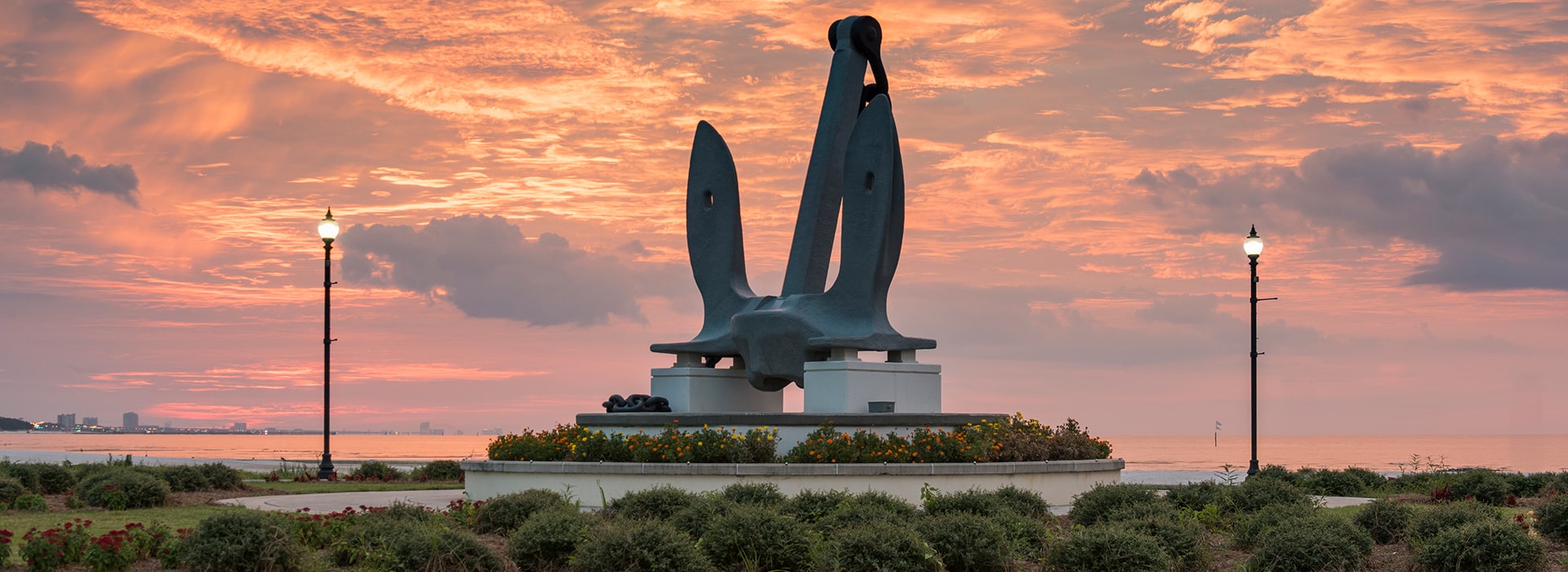
Nestled on the shores of the Gulf of America Gulfport, Mississippi, is rediscovering itself as a modern, resilient coastal city—one that honors its heritage while investing in the future. With a population of roughly 73,000 residents and 8 miles of the world’s largest man-made beach, Gulfport offers a rare mix of accessibility, affordability, and quality of life.
“It’s a great place to live,” says Tyler Gentry, Director of Public Works. “We’ve got beaches, golf courses, an aquarium, casinos, great schools—there’s truly something here for everyone.”
That mix of leisure and livability is no accident. Under the leadership of Mayor Hugh Keating, Gulfport has embraced a balanced strategy of downtown revitalization, infrastructure renewal, and economic diversification—all guided by a clear understanding that Gulfport’s prosperity begins at the waterfront.
A Downtown Renaissance
At the heart of this transformation is Gulfport’s downtown district, now humming with private investment and public support. The flagship project—the Town Center—is set to redefine the city’s core with 200 mixed-use apartments, street-level retail, and a public parking garage developed through a partnership between the city, the state, and the Gulfport Redevelopment Commission.
“This is going to be a game-changer,” says Mayor Hugh Keating. “It will bring young professionals downtown, expand pedestrian traffic, and create the walkable, social district our residents want.”
The development team—led by Roy Anderson III, Rick Carter, and Sunny Sethi—represents a blend of local leadership and private capital with deep ties to Gulfport’s business community.
“When we bring people downtown, small businesses follow,” Keating adds. “It’s the ripple effect that revitalization depends on.”
That ripple is already visible. The historic Markham Hotel, built in 1926 and long vacant since Hurricane Katrina, is finally reopening after an extensive renovation. Once one of the premier hotels on the Gulf Coast, the Markham’s revival symbolizes the broader renaissance unfolding in downtown Gulfport.
“We used to have a vibrant downtown before interstates and malls pulled traffic away,” says Keating. “Now we’re getting it back.”
The Blue Economy and the Future of Work
Central to Gulfport’s economic vision is what is often referred to as the “Blue Economy”—a growing cluster of industries and institutions tied to the Gulf itself. The city is home to the Mississippi State Port, one of the region’s key import-export gateways, and the University of Southern Mississippi’s Ocean Engineering Program, which anchors Gulfport’s reputation as a maritime innovation hub.
“Everything water-related drives opportunity here,” Keating explains. “From defense contractors at the port to the ocean sciences at USM, we’re building a future around the water.”
The port’s defense and high-tech maritime companies connect Gulfport to a larger regional network that includes Huntington Ingalls Shipbuilding in nearby Pascagoula—the country’s largest shipyard for naval vessels—and a growing number of suppliers and service providers along the Seaway Industrial corridor.
Add to that the expansion of Memorial Hospital at Gulfport, just a mile and a half from downtown, and the picture is clear: healthcare, maritime technology, and logistics now form the backbone of a diversified coastal economy. “These are the industries that create sustainable, year-round employment,” says Gregory Holmes, Director of Urban Development. “They complement our tourism base while adding stability.”
Growth Along the Gateway: U.S. 49
While downtown revitalization grabs headlines, much of Gulfport’s physical expansion is happening along Highway 49, a major north-south artery that connects the city to Interstate 10 and the rest of the Gulf South.
“This is our front door,” Holmes explains. “There’s a tremendous amount of undeveloped land along U.S. Highway 49, and we’re starting to see serious activity there.”
Recent arrivals like HomeGoods and Aldi have opened to packed crowds, joining a wave of smaller local retailers and national brands exploring the corridor. “We’re seeing a healthy mix of mom-and-pop shops and larger chains,” Holmes says. “It’s a great sign of momentum.”
Residential demand is keeping pace. North of Interstate 10, developers are breaking ground on new subdivisions and apartment complexes to meet rising demand for single-family housing.
“The need is enormous,” Mayor Keating says. “Harrison County and Gulfport together could see a demand for more than 10,000 new residential lots over the next decade.”
With commercial, industrial, and residential growth converging, the corridor has become a vital engine for the city’s next chapter.
Infrastructure for a Modern City
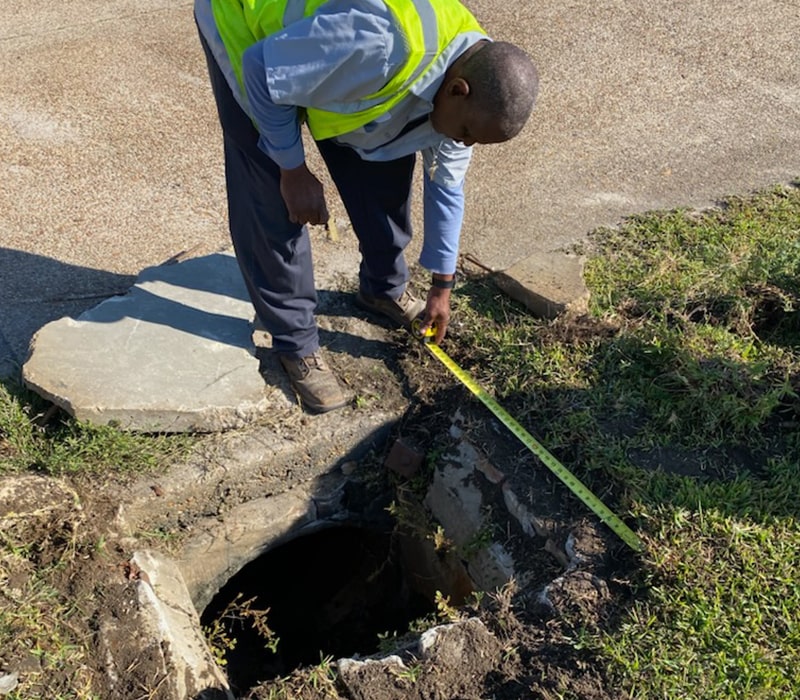
For Gentry and his public works team, Gulfport’s rapid expansion means one thing above all: investment in infrastructure. “We’re in the middle of a $25 million water and sewer revitalization project,” he says. “Much of what we’re replacing dates back decades, especially in the older parts of Gulfport south of I-10. It’s essential work.”
Transportation is also a top priority. The city is expanding road connections between north and south Gulfport and improving east-west mobility along Airport Road. “As more people move here, connectivity becomes crucial,” Gentry says.
Gulfport is equally strong on digital and utility readiness, boasting citywide high-speed fiber from multiple providers including C Spire, Sparklight, and AT&T. Electricity is supplied by two providers, supported by Mississippi Power’s Plant Watson located within city limits. “Developers want to know that we’re shovel-ready,” says Gentry. “And we are.”
Tourism, Heritage, and the Cultural Coast
Tourism remains the most visible face of Gulfport’s economy. The city collaborates closely with Coastal Mississippi, the regional tourism and convention authority that promotes the state’s three coastal counties. “Their marketing reach is tremendous,” says Keating. “They bring people here, and we make sure there’s something special waiting for them.”
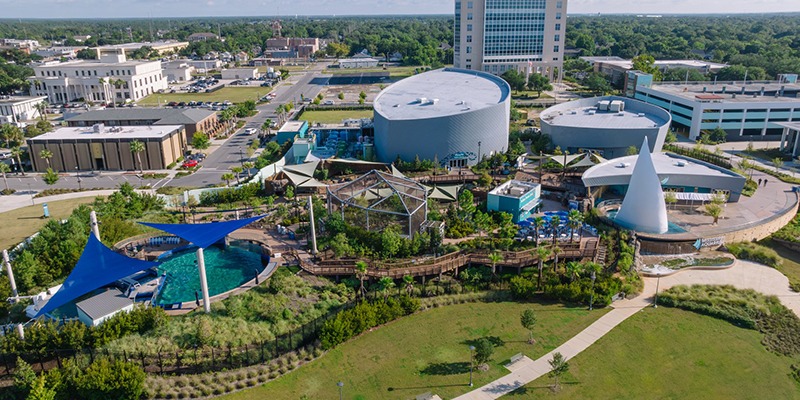
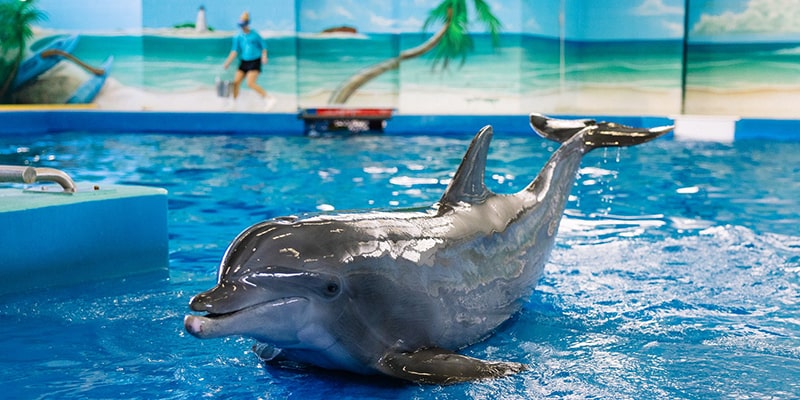
That “something special” ranges from Gulfport’s pristine beaches to the Mississippi Aquarium, a world-class facility connected by a striking pedestrian bridge to Jones Park, the city’s signature waterfront greenspace. Nearby, the Institute for Marine Mammal Studies blends tourism with marine research, making Gulfport a hub for family-friendly science and conservation.
The city also plays host to some of the Gulf Coast’s most beloved events. The Cruisin’ the Coast car show—now in its 29th year—draws more than 10,000 classic vehicles and enthusiasts each October, while the Harbor Lights Winter Festival illuminates Jones Park with over two million lights and 100,000 visitors each season. Summer brings the legendary Deep Sea Fishing Rodeo, one of the largest family fishing competitions in the South.
In March 2026, Gulfport will welcome 1,200 world-class athletes for a collegiate and professional triathlon event—an Olympic qualifier brought to the city through Coastal Mississippi’s outreach. “We’ll fill every hotel room, every restaurant,” Keating says proudly. “It’s exactly the kind of event that showcases who we are.”
Cultural attractions deepen that story. The Lynn Meadows Discovery Center, the state’s first children’s museum, continues to thrive with new performing arts programs. Nearby, TrainTastic—billed as the largest model train museum in the world—adds family appeal and educational value. And Gulfport’s Brown Condor Aviation Museum, honoring local hero John Robinson, highlights a chapter of aviation history that connects Gulfport to Ethiopia and to the world.
“Culture, history, and tourism are intertwined here,” Keating says. “They’re part of our identity.”
Looking ahead, Mayor Keating emphasizes the fundamentals: public safety, infrastructure, beautification, and education. “To attract and retain growth, we have to deliver on the basics,” he says.
Gulfport’s Police, Fire, Public Works and Engineering departments already set statewide standards—its fire department holds Mississippi’s highest ISO rating of 2—and the city is investing in new technologies to keep its streets safe. Infrastructure renewal will continue, particularly in older neighborhoods and along key corridors. Beautification efforts are also underway to ensure that Gulfport’s “front door” matches the vibrancy of its economy. Gulport’s Public Works and Engineering Departments are the only American Public Works Association accredited departments in the state of Mississippi.
The city’s public schools remain a critical part of that vision. “We’re proud to have some of the highest-rated schools in Mississippi,” the Mayor says. “Strong education and safe neighborhoods are the foundation for everything else we’re building.”
In the coming years, Gulfport will continue to balance modernization with preservation, leveraging its coastal beauty, business-ready infrastructure, and deep cultural roots to chart a sustainable course forward.
“This is a renaissance for Gulfport,” Mayor Keating says. “We’re rebuilding downtown, investing in infrastructure, and embracing the industries that define our future. The Gulf gave us our history—and it’s giving us our future, too.”
Click The Cover To View Or Download The Brochure
AT A GLANCE
Who: Gulfport, Mississippi
What: A thriving coastal community that is seeing a welcome downtown and business renaissance
Where: Mississippi, USA
Website: www.gulfport-ms.gov
PREFERRED VENDORS/PARTNERS

Water Company of America: www.watercompanyofamerica.com
Water Company of America is the originator of a unique performance fee-based service designed to identify and correct unbilled utilities. We capture an untapped revenue stream thereby improving rate payer equity. Work is performed without a staff time burden; as WCA performs all necessary data mining, field analysis and reporting.