The Power of Place
How Venues Shape Community and Culture
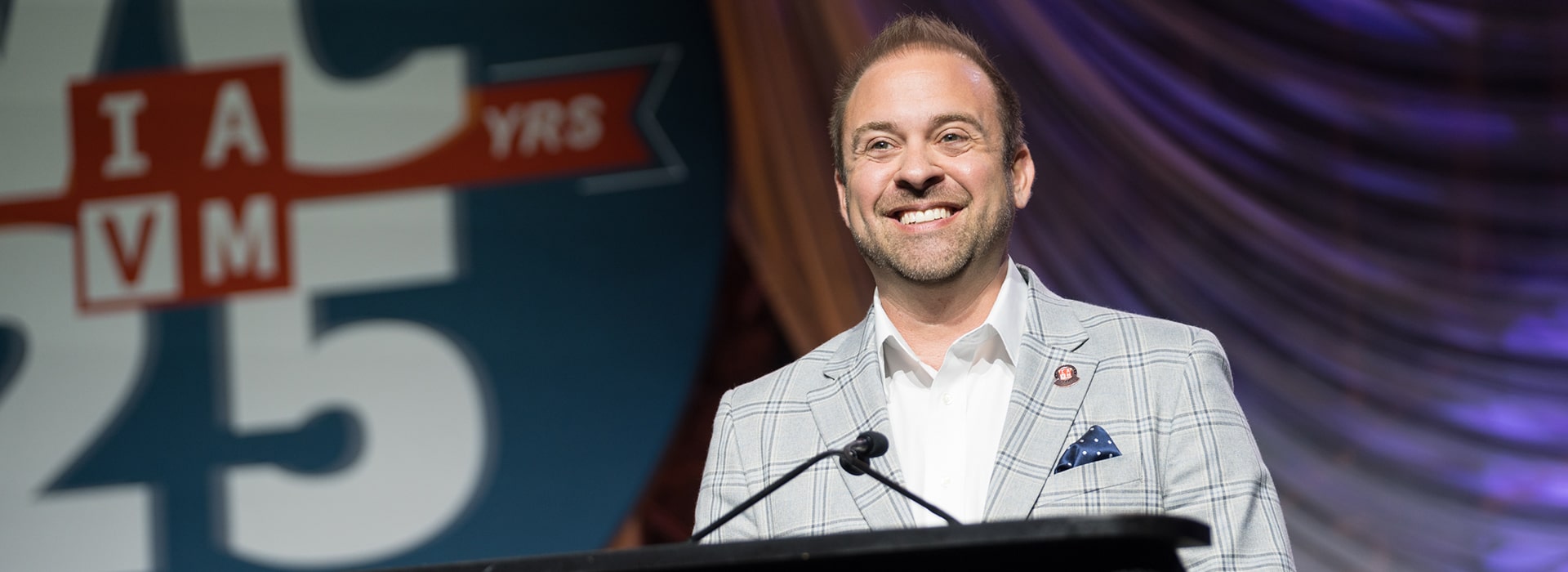
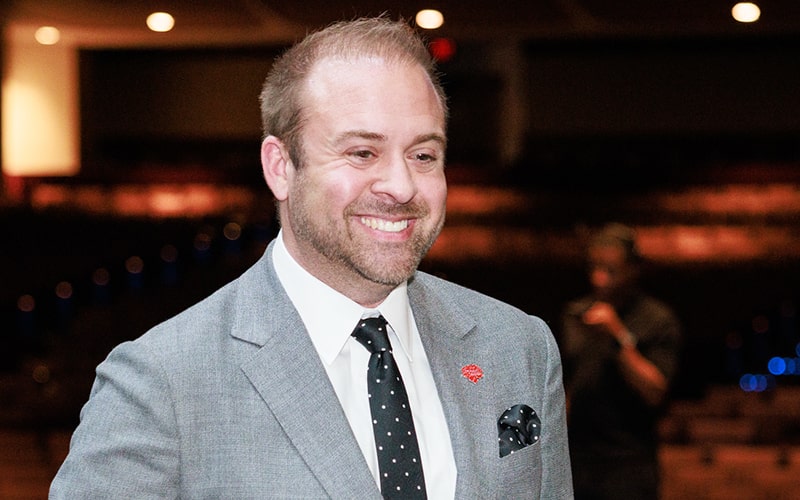
Venues are more than buildings. They are cultural homes, economic engines, memory makers, and gathering spaces that offer communities shared experiences that last a lifetime. For Trevor Mitchell, President and CEO of the International Association of Venue Managers, the power of these spaces runs both deep and personal. Stepping into his role just months ago, he brings 18 years of association leadership, a lifelong love of the arts, and a clear vision for raising awareness of the industry he now represents.
When Trevor Mitchell begins speaking about IAVM’s work, his passion is unmistakable. “I have found myself in the situation where I am able to blend all those things together and have the best time of my career doing these things because I am working with people who are creating memories for the individuals who come through their venues day in and day out,” he says.
A Career Built on Leadership
Mitchell’s path to IAVM began in Missouri, where he earned a business degree from Columbia College and later an MBA from the University of Missouri, building a strong foundation in organizational leadership. Over nearly two decades, he held senior roles across three associations, gaining deep experience in governance, membership engagement, education, and strategic growth.
His lifelong love of performing arts and live entertainment made IAVM feel like the right fit from the start. He has attended Broadway productions, concerts, sporting events, and conventions throughout his life, a personal connection that fuels his appreciation for venue professionals.
“My blend of knowledge of how associations run, as well as a strong educational business background, has positioned me to be a good individual to lead future associations,” Mitchell says. “Coming to IAVM has been a marriage of my academic background, my professional experience of running associations, and my passion for live events.”
What IAVM Represents
The International Association of Venue Managers is the premier organization supporting professionals who operate arenas, stadiums, convention centers, performing arts centers, fairgrounds, amphitheatres, and nearly any space that hosts live events outside of hotels. It exists to strengthen the professionals who bring live experiences to life every day.
“Our focus is really around three areas, education, advocacy, and connection,” Mitchell explains. These pillars form the foundation of an association that serves members from the earliest stages of their careers through senior leadership positions.
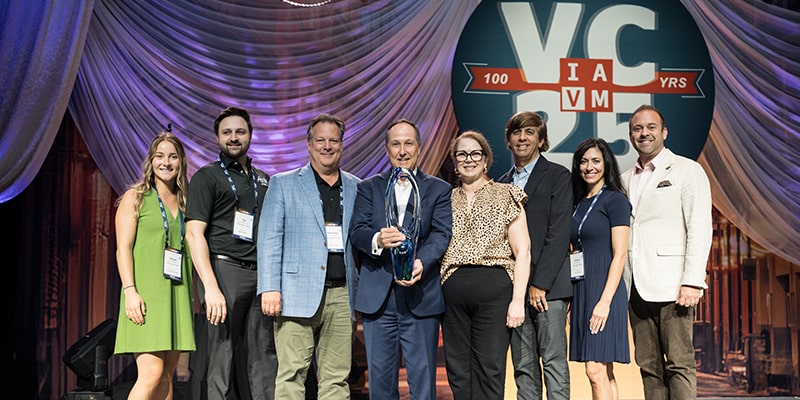
Education equips venue professionals with the skills and knowledge required to manage complex facilities. Advocacy includes engaging state and federal leaders and educating the public on the cultural and economic value of venues. Connection creates a community of peers who share best practices, discuss challenges, and support one another throughout their careers.
Mitchell notes that this community fills a unique gap. “That community is there to help them navigate through the unknown, the things that we cannot teach on, the things that come up in a what happens scenario,” he says. “Creating that community allows them to be the best professional they can be.”
The Cultural Impact of Venues
One of Mitchell’s highest priorities is helping the public understand the value that venues bring to their communities. He often finds that people see venues simply as spaces rather than as the beating heart of cultural life.
He recalls speaking with event planners who had never considered that there was an association dedicated to venue professionals. “You see the light bulbs click,” Mitchell says. “They did not even think about the fact that there was an association for people who run that.”
That awareness matters because the connection between venues and community identity is profound. Performing arts centers in particular carry significance that extends far beyond ticket sales. Mitchell speaks enthusiastically about his own experience growing up in a rural town of 150 people in Southeast Missouri. During a school trip, he attended his first musical performance at the Fox Theatre in St. Louis, an experience that shaped his lifelong love of the arts. “I fell in love with the theatre,” he says. “Performing arts theatres bring people in, talking about what the venue has to offer, and connecting them to the cultural piece is powerful.”
He believes that attracting diverse and non-traditional audiences is essential to the future of the performing arts. This begins with creating excitement beyond the performance itself. Experiential enhancements, community partnerships, pre- and post-show programming, and educational outreach can introduce new generations to live performance. “We have to think in the minds of who we are trying to attract,” Mitchell says. “There are ways to be inventive that are going to engage the next generation of theatre goers.”
A Digital-First Future for Live Venues
Mitchell has reviewed IAVM’s Stadium Connectivity Report, which underscores the expectation that audiences will experience seamless digital integration in live-event settings. “Wireless connectivity is always key,” he says. Whether at a sporting event or a Broadway performance, audiences want to share their experiences in real time. The visibility created through social media can amplify a venue’s reach, making digital infrastructure a foundational investment for the future.
Technology also supports revenue generation through efficient concessions, mobile ordering, and improved crowd flow. In older performing arts centers with limited space, these features become even more critical. Since such venues cannot easily add seats or expand, operational efficiency becomes essential to maintaining financial stability.
Mitchell anticipates that artificial intelligence, enhanced security technology, and redesigned guest experiences will shape the next era of venue innovation. He also expects venues to increasingly explore special access opportunities, VIP offerings, and other creative revenue streams to offset rising operating costs. “Lowering operating costs is going to be key and finding ways to increase revenue,” he says. “We may see more inventive opportunities that bring in revenue to manage the costs they have.”
Bridging the Spotlight Gap in Media Coverage
Mitchell is deeply aware of the imbalance in media coverage between professional sports and the performing arts. He sees two clear pathways for increasing positive storytelling and expanding public understanding.
First, he believes in quantifying the economic impact of performing arts venues. These venues often employ large numbers of people, stimulate tourism, support local businesses, and contribute significantly to local tax revenue. “There is an opportunity for performing arts to talk about that impact from an economic standpoint,” he says.
Second, he emphasizes the importance of community-focused storytelling. Many performing arts centers host workshops, student engagement programs, school visits, community groups, and educational outreach efforts that shape local culture in meaningful ways. “A lot of the time we look at the building and just think it is a building,” he says. “The local impact on the community is significant.”
Expanding Educational Pathways
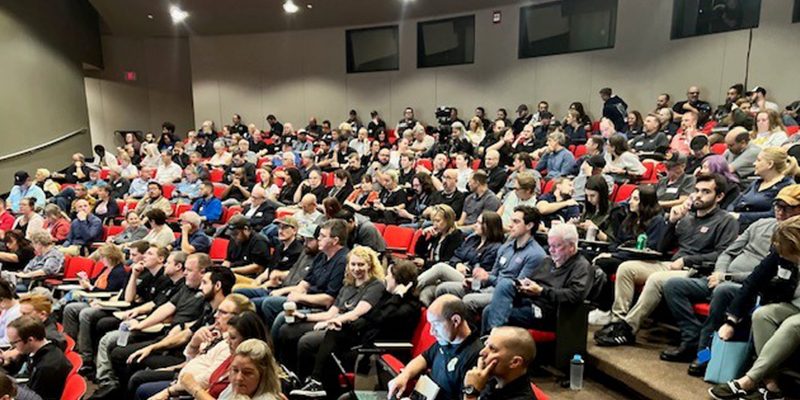
IAVM hosts a wide range of in-person events each year to support venue managers at every stage of their careers. A key offering is its Academy for Venue Safety & Security, which focuses on crowd management and creating safe environments for guests and staff. The association also operates the respected two-year Venue Management School, giving emerging leaders the essential knowledge they need to excel.
Alongside these programs, IAVM holds its annual conference, VenueConnect, a major gathering for professionals from all types of venues to exchange insights and innovations. For senior leaders, its executive symposium explores advanced leadership topics and the strategic issues shaping the future of venue operations.
Looking ahead, IAVM plans to significantly expand its online learning platform with more real-time education, microcredentials, and flexible digital options that meet the industry’s evolving needs. Mitchell notes that this expansion will provide members across all venue sectors with relevant and practical resources. “We are really ramping up those educational offerings and making sure they apply to every venue sector our membership oversees,” he says.
A Centennial Turning Point
IAVM recently celebrated its 100th anniversary, creating, as Mitchell describes, an opportunity. “We are at a crossroads for the organization and a positive one,” he says. “In this one hundred and first year, we are really looking at what we look like as we go forward.”
His first major priority is strengthening and modernizing IAVM’s educational offerings. Identifying gaps, expanding content, and forming new partnerships will shape the future of membership experience. His second priority is raising public awareness of the importance of venues and of the association’s role in supporting them. “I want people to understand the power and the impacts that come from having these venues in your community,” he says.
Collaboration as a Catalyst
Collaboration is a core theme for IAVM and will remain central to its strategy moving forward. Mitchell highlights the importance of working with key partners, including Destinations International, the Exhibitions and Conference Alliance, and associations representing minority and underrepresented professionals in the events industry.
These partnerships are essential not only for advocacy but also for strengthening the talent pipeline. By increasing industry-wide collaboration, IAVM aims to help venues build diverse, skilled, and representative teams.
Momentum Ahead
Mitchell’s first months at IAVM highlight both his enthusiasm and his clear vision for the association’s future. He recognizes the magic of performance spaces, the excitement of concerts, the pride tied to sports events, and the collective power of shared cultural moments.
With a background that blends association leadership and a passion for live experiences, Mitchell is well-positioned to guide IAVM into its next century. His focus on education, public awareness, innovation, and collaboration aims to elevate venues as essential contributors to culture and community.
As Mitchell puts it, “Through raising our awareness publicly, we have unlimited opportunities for growth, evolution, and impact.”
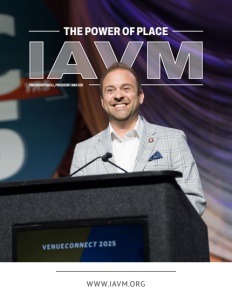
Click The Cover To View Or Download The Brochure
AT A GLANCE
Who: IAVM (International Association of Venue Managers)
What: A global professional association that supports and advances the people who manage stadiums, arenas, convention centers, performing arts venues, and other public assembly facilities.
Where: Coppell, Texas
Website: www.iavm.org