Meeting Every Child Where They Are
How One Leading School District is Building a Stronger Future Through Wellness, Innovation, and Workforce Readiness
For the Haverhill Public School District, education is more than academics—it’s a community commitment to the success and well-being of every student. Located in northeastern Massachusetts and serving a richly diverse population, the district faces both the opportunities and challenges of a growing urban center. Superintendent Dr. Margaret Marotta, now in her eighth year leading the district, describes Haverhill’s mission simply: “to ensure that all students can learn, grow, and pursue their own dreams.”
“We start early,” Dr. Marotta explains. “We focus on literacy and removing barriers—financial, transportation, or otherwise—so that every family has what they need to support their child’s learning.”
From Title I programming to community partnerships, Haverhill’s approach rests on one principle: supporting the whole child. The district’s leadership team, including Assistant Superintendent Bonnie Antkowiak and Director of Title I and Community Outreach Diane Connolly, has worked to expand access to mental health services, strengthen teacher wellness initiatives, and deepen workforce connections through technology and career pathways.
A Framework of Support: Mental Health and Social-Emotional Learning
In Haverhill, student success begins with well-being. The district has invested heavily in counseling and wraparound support, pairing in-school services with after-school and community-based programs designed to help children and families thrive.
“We have multiple counselors in every building,” says Marotta. “But we also try to offer opportunities beyond the school day—vacation academies, after-school programs, and partnerships that connect students to safe, structured environments year-round.”
Among the most innovative initiatives is the PASS Program—a Positive Alternative to School Suspension—developed in partnership with the YMCA.
Rather than sending suspended students home, Haverhill offers a full-day structured program at the YMCA that includes tutoring, counseling, group activities, and breakfast and lunch. “The offense stays off their record,” Connolly explains. “It’s a chance to reflect, catch up on classwork, and talk with a counselor about making better choices.”
The district also focuses on teacher wellness—recognizing that educators need support just as much as students do. Through a comprehensive staff wellness initiative, teachers participate in yoga, walking groups, and mental health discussions, with Fitbits distributed for team-based health tracking. “We want our staff to center themselves so they can better handle the challenges of the classroom,” Antkowiak says.
Technology with Purpose
Technology in Haverhill classrooms isn’t an add-on—it’s a tool for engagement, creativity, and critical thinking. The district has embedded tech instruction from kindergarten onward, with Project Lead the Way introducing STEM concepts in the middle grades and specialized labs expanding those skills in high school.
“We have technology specialists in every building, starting in elementary school,” says Antkowiak. “Students are coding, designing, and learning how to use digital tools in ways that deepen—not replace—hands-on learning.”
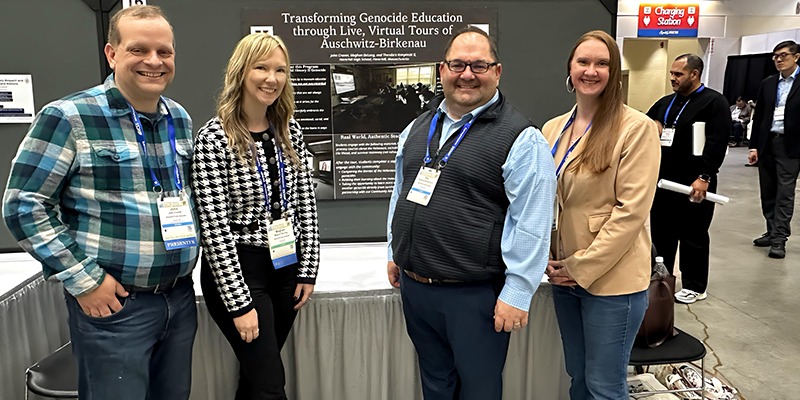
The high school’s new Engineering Lab allows students to apply classroom theory in real-world settings through internships and community-based research projects. “Students can explore engineering, biomedical sciences, or graphic design and leave high school with skills—and confidence—that translate directly into college or the workplace,” Antkowiak explains.
Yet Haverhill’s leaders are careful to keep a healthy balance. “Since COVID, we’ve learned how to integrate technology without overusing it,” says Marotta. “We want kids to engage with technology in meaningful ways, not just through screens.”
Digital Citizenship and Daily Check-Ins
Haverhill is also tackling the mental health side of technology head-on. “We start lessons on cyber safety, digital citizenship, and online empathy as early as kindergarten,” Marotta says. The district works closely with the Haverhill Police Department, who visit schools to talk about cyberbullying, online privacy, and emerging concerns like deepfakes.
One of the most promising new tools is Pulse, a digital check-in program piloted in the middle schools. Each morning, students log into a secure system and rate their mood or request to see a counselor. “In less than a minute, a thousand students can check in,” Antkowiak explains. “If someone flags that they need help, our counselors can reach them immediately.”
The system gives administrators real-time data on student morale and helps teachers respond proactively. “Principals can see when morale dips and organize assemblies or community-building activities,” she adds. “It’s simple, but it’s incredibly effective.”
Artificial Intelligence has become the latest frontier in education—and Haverhill’s leadership is confronting it with curiosity, not fear. “Like it or not, AI is here to stay,” says Marotta. “Our job is to teach students to use it responsibly and critically.”
The district’s technology supervisors are currently developing policy guidelines after attending conferences and collaborating with other districts nationwide. “We’re learning how AI can strengthen the curriculum rather than replace it,” Antkowiak notes. “The goal is to prepare students for a world where technology will be central to every profession.”
Career and Technical Pathways
Haverhill’s Career and Technical Education (CTE) programs have become a cornerstone of its high school experience. From graphic design to teacher training, health sciences, and biomedical engineering, students are discovering real-world applications for their studies.
The district’s healthcare pathway, for example, enables students to earn Certified Nursing Assistant (CNA) credentials while still in school. “Every student who wanted a job got one,” Marotta says. “The demand for CNAs in our area is enormous.”
Through internships with local organizations like Bethany Homes, Community Action, and HP3—Haverhill’s Public-Private Partnership, students gain both professional experience and mentorship. HP3’s director, Allison Harquest, matches students with mentors, arranges workplace visits, and uses virtual reality goggles to simulate trades such as welding or plumbing. “It’s about showing kids what’s possible,” Connolly explains. “If they can see it, they can plan for it.”
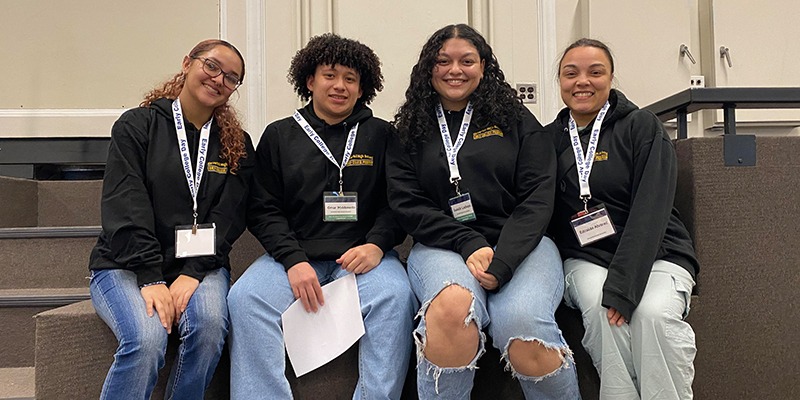
The partnerships extend into early education as well. CTE students mentor elementary classes through the district’s Wit and Wisdom literacy program, creating cross-grade connections that inspire younger learners.
“We’re aligning education with the workforce,” says Marotta. “Whether students go to college, the trades, or straight into employment, they graduate with options and direction.”
Community Connections: Learning Without Walls
For Connolly, building those bridges between school and community is both a professional mission and a personal one. “I grew up here,” she says. “I’ve had relationships in this city for decades. Our work is about bringing people together—the nonprofits, the social services, the local businesses—to meet the needs of families.”
That philosophy underpins initiatives like Vacation Academies, held each February and April in partnership with the YMCA, YWCA, and Boys and Girls Club. Teachers lead morning academic lessons, followed by recreational programming provided by the community partners.
The program is completely free for families and includes breakfast and lunch.
Last year, more than 360 students participated. “It provides learning, social development, and childcare all at once,” Connolly says. “It’s one of the best examples of how schools and communities can work together.”
The same spirit drives collaborations with local employers. Haverhill’s partnerships with businesses along the Merrimack Valley provide high school students with sustainable jobs—many offering wages above minimum and accessible by public transit. “We want our graduates earning a living wage,” Marotta says. “We want them to see opportunity right here in Haverhill.”
Investing in Classrooms First
When it comes to spending, Marotta’s leadership philosophy is clear: keep overhead lean and put resources where they matter most. “We try to put our money where the students are,” she says. “We run a small central office because we want our impact felt in the classrooms.”
That focus has guided investments in new curriculum, especially in literacy and math, where recent updates have already begun to show improvement in MCAS and ACCESS scores across K–8 schools. “Teachers are tired—it’s hard work—but they can see the results,” Marotta says.
Maintaining smaller class sizes, typically between 21 and 23 students, has also been a priority, along with targeted small-group instruction and coaching. “Our teachers have the support to differentiate learning,” she adds. “We want to meet kids where they are, not where we wish they were.”
Looking Ahead: Raising Achievement and Expanding Opportunity
The next two years will bring continued focus on raising high school performance, expanding equity and inclusion, and strengthening special education and multilingual learning supports. “We’re seeing real growth in K–8,” says Marotta. “Now we need that same turnaround at the high school level.”
A renewed curriculum rollout aims to create consistency and rigor while maintaining high expectations for all students. “Our challenge is always to keep expectations high, keep supports high, and let the kids do the work,” Marotta says.
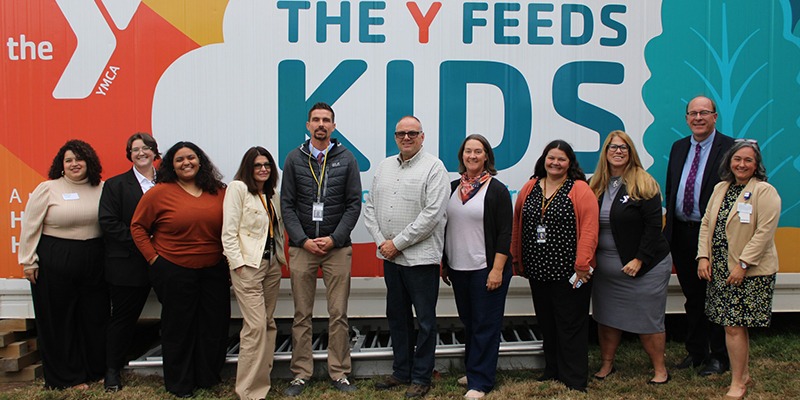
With an emphasis on data-driven decision-making and a network of community partners committed to student wellness, Haverhill is well-positioned to keep moving forward.
“We’re a district that learns from its challenges,” Marotta reflects. “We’re resilient, we’re creative, and we’re focused on what matters—helping every child find their path.”
In Haverhill, that path might begin with a literacy lesson or a robotics project, a counseling conversation or a mentoring partnership—but it always leads to the same goal: preparing students not only to succeed, but to belong.
Click The Cover To View Or Download The Brochure
AT A GLANCE
Who: Haverhill Public Schools
What: A leading and innovative school district focusing on high school performance and equity and inclusion
Where: Haverhill, Massachusetts
Website: www.haverhill-ps.org
PREFERRED VENDORS/PARTNERS

Open Up Resources: www.openupresources.org
Open Up Resources is a non-profit publisher in pursuit of delivering the highest-quality learning experiences for all students by providing educators with research-based PreK-12 curricula and professional learning to support every student’s academic success and create in-class experiences that celebrate, honor, and empower.