Building an Innovation Economy in Country Music’s Birthplace
Diversifying Beyond Manufacturing While Leveraging Its Musical Heritage and the New Hard Rock Casino to Become Virginia’s Premier Tourism Destination.
In the Appalachian highlands where Virginia meets Tennessee, Bristol occupies a unique position in American cultural history. In 1998, the U.S. Congress officially designated this twin city as the “Birthplace of Country Music,” commemorating the legendary 1927 Bristol Sessions where Ralph Peer recorded the first commercial tracks of Jimmie Rodgers and The Carter Family. Those 12 days of recording 76 songs by 19 artists created what scholars call the “big bang” of country music. Nearly a century later, Bristol, Virginia is building on that heritage while pushing toward a decidedly modern future.
“We’re rooted in heritage, but rising through innovation,” says Mack Chapman, Economic Development Manager for Bristol, Virginia. “The quality of life is great. We have incredible natural beauty with our trails, lakes, rivers, and parks.” We have a strong workforce and a great small business foundation that fuels our economy.” Chapman’s assessment highlights the city’s assets and its ambitions. With a population of roughly 16,300, Bristol functions as part of a larger metropolitan area of over 300,000 residents, acting as a regional hub rather than an isolated small town.
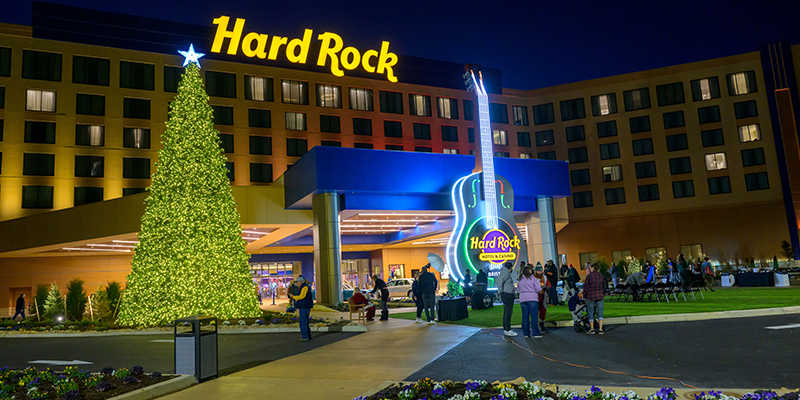
The city’s five-to-ten-year vision goes beyond its musical legacy. “We would love to be a major hub for innovative ideas and the number one tourism stop in Virginia,” Chapman explains. That ambitious goal gained significant momentum in November 2024 when the $550 million Hard Rock Hotel & Casino Bristol opened its doors on the site of the former Bristol Mall, instantly transforming the city’s tourism landscape with 1,300 jobs and a 2,000-seat concert venue.
Downtown Revival with Small Business at the Core
Bristol’s downtown is the city’s deliberate effort to preserve its character while modernizing infrastructure. “Our focus right now for our downtown area is to continue to grow and bring in new business and continue to grow the mixed-use,” Chapman says. “We do have several ideas that are in place with new businesses coming in.”
The city runs a facade grant program through the Virginia Department of Housing and Community Development, allowing businesses to qualify for matching funds up to half their investment in exterior improvements. “As long as we still have the funding available, businesses can qualify up to a certain amount,” Chapman notes. The program continues year over year, with the city encouraging more businesses to take advantage.
Rather than relying on tax increment financing districts, Bristol leverages its enterprise zone status and offers targeted abatements on meals and occupancy taxes to recruit retail. “That’s what we use to recruit retail,” Chapman confirms. The approach preserves the downtown’s identity. “Our downtown is more centered around the small business mom and pops. That’s the foundation of our downtown and honestly the foundation of our city, and that’s what we would like to keep,” he says. “That small town feel in our downtown gives us a good feel for the area.” The strategy intentionally separates downtown’s character from the corporate retail developments elsewhere in the city, creating distinct commercial zones that serve different purposes.
The Falls Shopping District Mixed-Use Hub
Five miles from downtown, The Falls is Bristol’s most ambitious and most challenging economic development project. The 140-acre site near Interstate 81 Exit 5 has attracted national retailers including Lowe’s, Hobby Lobby, ALDI, and Texas Roadhouse. Yet the development’s promise remains partially unfulfilled, burdened by approximately $70 million in debt stemming from the city’s initial $40 million land acquisition and site preparation costs beginning in 2013.
“Our ultimate vision is to continue to grow that area,” Chapman says. “We’re working with the property owners at The Falls to try to get stuff to move forward. With pricing going up, it’s made it even more stagnant than we’d hoped.” Construction costs are the primary obstacle. “With costs rising, you have a lot of backfill taking place instead of ground up building,” he explains. The city lost a major anchor in January 2020 when Cabela’s closed after its parent company Bass Pro Shops consolidated operations at The Pinnacle development across the state line in Bristol, Tennessee.
Despite these setbacks, Chapman maintains focus on creating a walkable, mixed-use destination. “We need to make it a more walkable area. Hopefully turn that into a mixed-use development as well,” he says. The vision includes workforce housing and spaces for young urban professionals seeking low-maintenance living. The city successfully converted the former Bristol Mall into the Hard Rock Hotel & Casino Bristol, highlighting one adaptive reuse success story that could inform future Falls development strategies.
Becoming Virginia’s Premier Tourism Destination
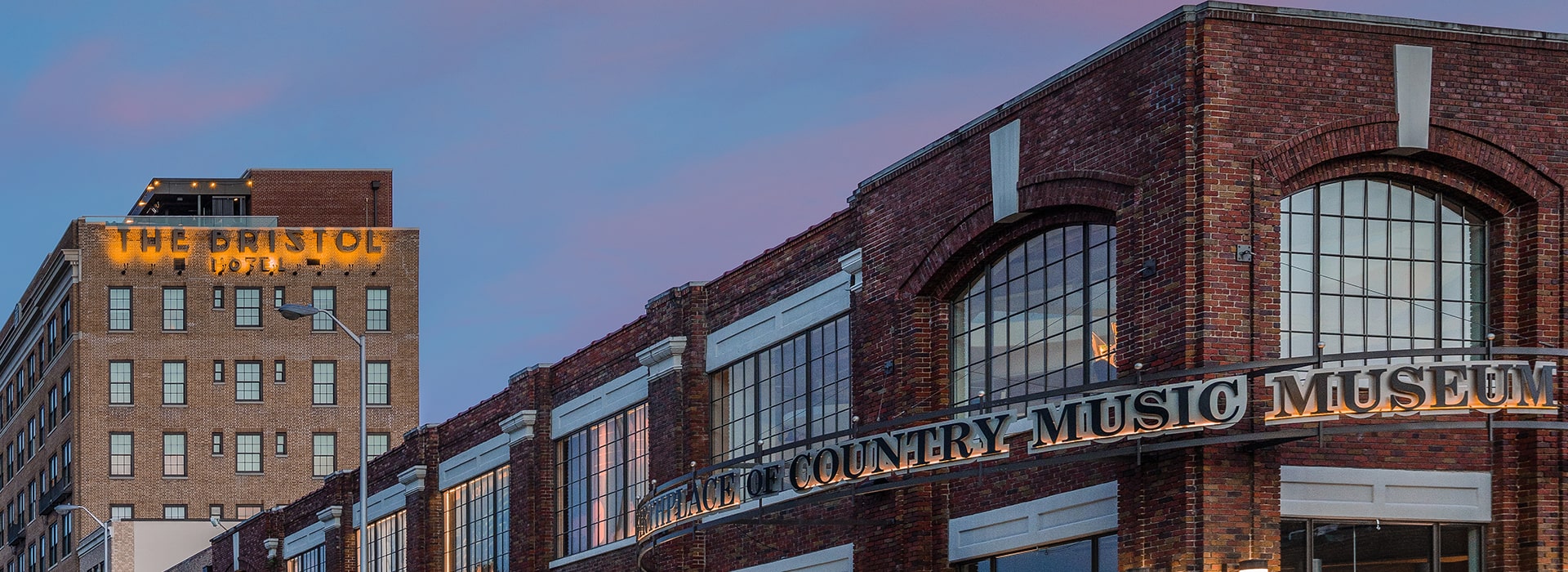
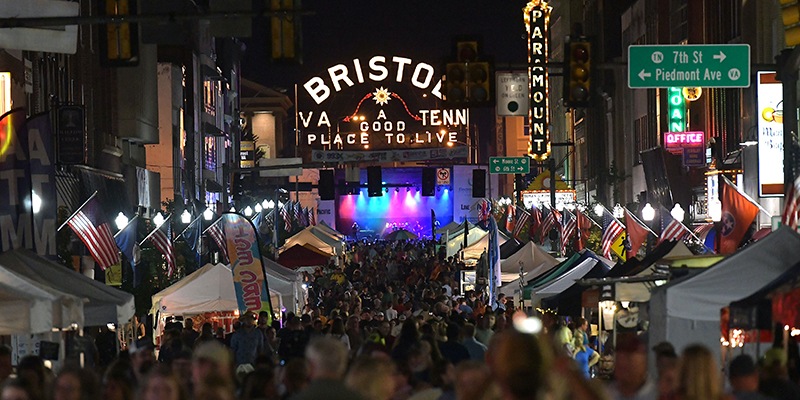
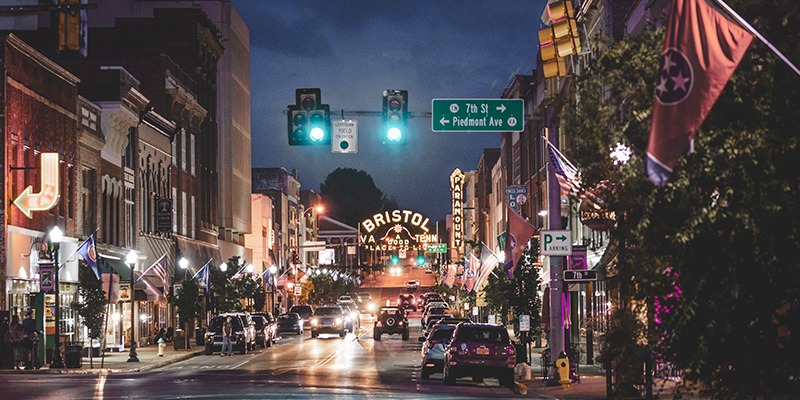
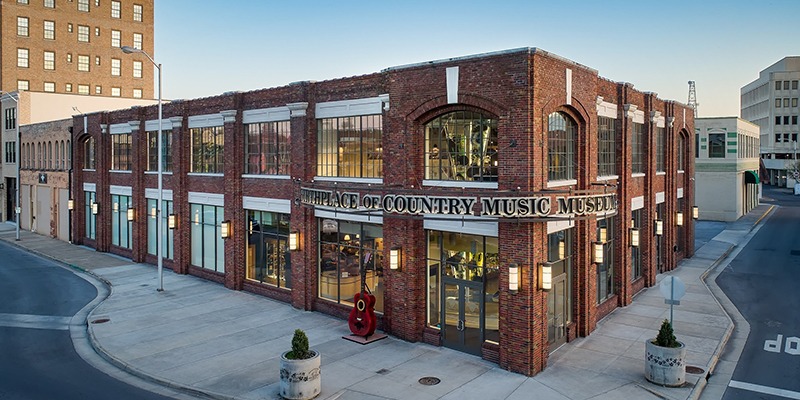
Bristol’s musical heritage provides the foundation for an expanding tourism strategy. The Birthplace of Country Music Museum, a Smithsonian Institution affiliate that opened its current 24,000-square-foot facility in August 2014, anchors the city’s cultural offerings. The annual Bristol Rhythm & Roots Reunion, held every September on State Street where Virginia and Tennessee meet, celebrates the region’s musical legacy with performances including country, bluegrass, Americana, and folk.
“Right now, we are planning to offer more events, more festivals,” Chapman says. “We’re growing our current events and festivals, and with the Hard Rock coming in, it continues to be a major hub for music.” Hard Rock’s arrival adds significant infrastructure to support that growth. The resort includes a 2,000-seat Hard Rock Live entertainment. A 45-foot replica of a 1927 Resonator guitar stands in front of the casino, connecting the modern development to the city’s historical recording sessions. “We are the birthplace of country music, so we’re going to grow on those roots and expand the current festivals that we have and hopefully have more in the near future,” Chapman adds.
Outside music tourism, Chapman identifies sports tourism as an untapped opportunity requiring infrastructure investment. “We have a lot of growth that can take place with sports tourism,” he says. “Right now, we are still working to bring the State Liners back to Bristol, which would help that momentum moving forward.” The Bristol Tigers, White Sox, and Pirates, minor league affiliates that played at DeVault Memorial Stadium from 1969 to 2020, are the type of draw the city seeks to recreate. “We lost a lot with surrounding areas putting that investment into the infrastructure,” Chapman acknowledges. “To bring that back and to grow sports tourism, that’s what we’re going to need to do moving forward.”
Further supporting tourism, Bristol’s approach to recreation infrastructure encompasses a broader vision of connectivity. “We are working on the Mendota Trail connector from the Bristol Trail head to hopefully connect our downtown area,” Chapman says. “We’re working on a study right now and have already included the public in those conversations, and we’re working with businesses right now to figure out how we can get to downtown because it becomes a major stopping point for the trail, and then connect to the trail in Bristol, Tennessee and continue on.” The trail system would create a continuous path for residents and visitors, potentially drawing cyclists and hikers who need services and dining options along the route.
The trail development aligns with a larger philosophy about urban design. Chapman describes the goal as creating a more European style downtown where residents can accomplish daily tasks without vehicles. “I would love to make everything more walkable, get people out and communicate again,” he says. “Everybody needs their vitamin D, so getting them outside, that’s finding a way to get them out there.”
Housing Solutions in a Landlocked City
Bristol, Virginia faces a housing challenge, that is common across America, but complicated by a unique geographic constraint. The independent city cannot annex additional land, forcing all residential development onto existing parcels within its 13-square-mile footprint. With a population of roughly 16,300 and a median household income of around $44,706, the city must balance affordability with quality in a tight housing market.
“Just like everyone else, the major struggle is to get housing up at a large and fast scale, and it needs to be quality homes,” Chapman says. “One thing that I want to focus on is that we need quality homes for individuals, and it needs to be more within our workforce pricing.” Virginia Housing and the Tobacco Commission provide crucial support through incentive programs for developers willing to build workforce housing within specific price parameters. “They’re offering incentives for these developers to come in and build that workforce housing that’s going to serve the area because it does have to sit within certain parameters in order for them to help with any funding,” Chapman explains.
The landlocked reality shapes development patterns. “With us being landlocked, we have to work with the land we have. We cannot annex land,” Chapman says. “It is hard for us to create the neighborhoods when you don’t have the land to create the neighborhoods.” New construction typically means multifamily buildings rather than traditional single-family subdivisions. “If it’s a new build, it’s still going to be multifamily more than likely,” he notes. The city maintains a partnership with Bristol, Tennessee. “They can annex the land, so when recruiting businesses, we’re going to use their demographics, their home stock and stuff like that in order to bring in those businesses and those employees,” Chapman says.
Building Infrastructure and the Innovation Economy
Bristol’s infrastructure priorities include immediate needs and long-term economic strategy. The city is advancing major road improvements with construction anticipated to begin in 2026. “We’re actually working on widening and improvements to the Lee Highway area,” Chapman says. “It’s going to include turn lanes, raised median, and pedestrian enhancements.” Additional work focuses on Interstate 81 around Exit 5, targeting ramp improvements and interchange modifications to support commercial development at The Falls.
Alongside physical infrastructure, Chapman emphasizes economic diversification as essential to the city’s resilience. Bristol’s traditional reliance on manufacturing and retail leaves it vulnerable to sector-specific downturns. “It’s more of a concept to diversify our economy away from just manufacturing and retail,” he explains. “We want to also bring in tech jobs and boost healthcare. If one sector is struggling, then we have other sectors to continue to boost the economy.”
The recruitment strategy prioritizes quality over cost savings. “Right now, with the jobs that come in, we need jobs that are going to support our economy, and right now we don’t want the manufacturers that just look at our area because it’s cheap,” Chapman says. “We want manufacturers that look at our area because they love our area, because we have the workforce, we have the reliable workforce, and I believe it’s that we need those higher paying jobs our residents want and deserve.”
Bristol’s path forward combines preservation of its small-town character with calculated risks in innovation and tourism. The Hard Rock Casino’s successful opening signifies the city’s ability to execute large-scale projects, while ongoing challenges at The Falls underline the complexities of modern retail development. Nevertheless, Chapman’s focus remains steady: better jobs, more innovation, and more visitors.
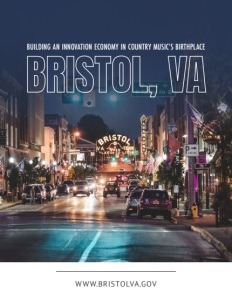
Click The Cover To View Or Download The Brochure
AT A GLANCE
Who: Bristol
What: Independent city of 16,300 residents in Southwest Virginia, officially designated by Congress as the “Birthplace of Country Music”
Where: Virginia
Website: www.bristolva.gov
PREFERRED VENDORS/PARTNERS
Hard Rock Hotel & Casino Bristol: casino.hardrock.com/bristol
Hard Rock Hotel & Casino Bristol blends world class entertainment with legendary hospitality in the birthplace of country music. Guests enjoy premier gaming, luxury accommodations, diverse dining, and live music. From thrilling casino action to unforgettable stays, Hard Rock Hotel & Casino Bristol is the ultimate getaway destination.

Northeast State Community College: www.northeaststate.edu
Northeast State offers transfer, career, and continuing education programs serving Carter, Johnson, Sullivan, Unicoi, and Washington counties. With campuses in Blountville, Elizabethton, Gray, and ingsport, the College enrolled more than 6,200 students in fall 2025, an 8.1 percent increase over fall 2024.
RE/MAX Cavaliers: www.remaxcavaliers.com
REMAX is a global network of real estate professionals. REMAX Cavaliers has two offices to serve you in Tennessee and Virginia. Visit us at www.remaxcavaliers.com and let our team of local professionals take care of all your real estate needs. Whether buying or selling, we are ready to serve you. Text or call (276) 870-5375 today!