Growing With Purpose, Balance, and Community Resolve
Strategic Investment, Grassroots Collaboration, and a Focus on Quality of Life
In an era when communities are often pressured to grow faster than they can sustainably manage, Henry County, Illinois has chosen a different path—one defined by balance, intention, and a clear sense of identity. Positioned within reach of major metropolitan hubs such as Chicago, the Quad Cities, and Rockford, Henry County offers residents and businesses the best of both worlds: connectivity and opportunity without sacrificing quality of life.
For Jim Kelly, Henry County’s Economic Development Director, that balance is not accidental. It is the result of deliberate planning, close collaboration with municipalities, and a constant evaluation of what truly makes sense for the county’s long-term health.
“Henry County has this knack for offering opportunity without overgrowing,” Kelly says. “We’re focused on sustaining families, supporting education, and creating employment that makes sense for our workforce and our landscape.”
That philosophy is echoed by County Administrator Erin Knackstedt, who emphasizes that Henry County’s strength lies in its diversity of assets. The county blends vibrant downtowns, walkable communities, expansive rural landscapes, and strong transportation links, all while maintaining a slower pace of life that continues to attract families, entrepreneurs, and employers alike.
A Strong Foundation for Investment
From an economic development standpoint, Henry County is uniquely positioned. The county offers a suite of well-structured incentives, including tax increment financing districts and an Enterprise Zone that spans multiple municipalities. These tools allow Henry County to compete effectively for new business while tailoring solutions to the needs of individual communities.
Infrastructure readiness is another key strength. Henry County benefits from a solid electrical grid and is actively working with partners to expand capacity through renewable sources and improved connectivity. Workforce availability remains strong, particularly in skilled trades, manufacturing, and agriculture, sectors that continue to anchor the county’s economy.
Equally important is access to capital. Through a revolving loan fund and strong relationships with every commercial lender in the county, Henry County supports small businesses and entrepreneurs with gap financing solutions that often make the difference between an idea stalling and a project moving forward.
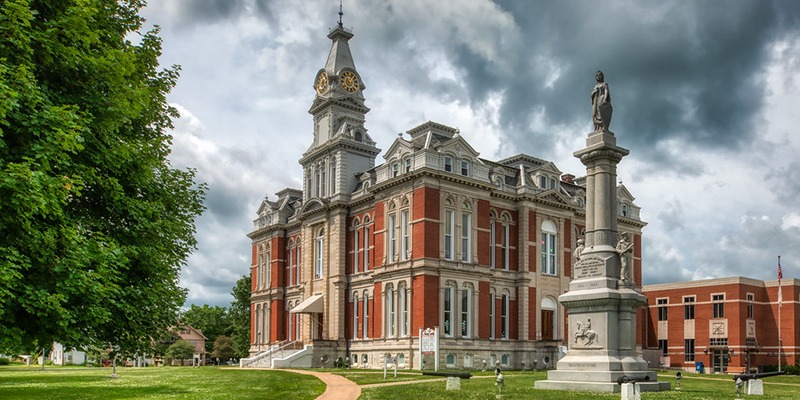
This business-friendly environment is reinforced by sound fiscal management. Under RindKnackstedt’s leadership, the county has completed approximately $20 million in capital improvements to its historic courthouse—without raising tax rates, issuing new debt, or burdening residents. Henry County has lowered its tax rate while maintaining a balanced budget with surplus funds, a rare achievement in today’s municipal landscape.
Downtowns as Engines of Community Life
Henry County’s municipalities understand that vibrant downtowns are essential to economic vitality. In Cambridge, the county seat, targeted façade programs and incentive structures have helped revive historic buildings and attract new locally owned businesses. A recent example is the reopening of a formerly vacant restaurant space as Gary’s Deli, a privately owned sandwich shop that celebrated its grand opening with strong community support.
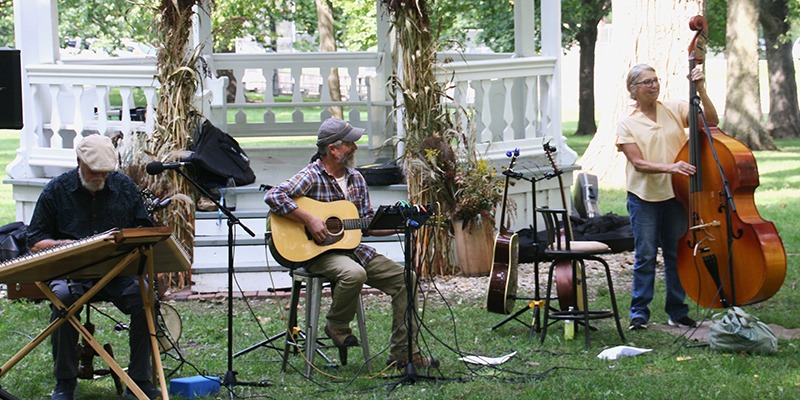
Geneseo, long admired for its picturesque downtown, continues to invest in walkability, aesthetics, and cultural attractions. Music fills the streets, historic storefronts house thriving small businesses, and connections to museums and heritage sites draw visitors year-round. A recent sidewalk project now links the downtown directly to the Hennepin Canal trail, encouraging cyclists and hikers to explore local shops and restaurants.
Kewanee is undertaking one of the county’s most ambitious infrastructure projects, partnering with the Illinois Department of Transportation to reimagine Route 78 as it runs through the heart of the city. The project will dramatically improve pedestrian access, traffic flow, and visual appeal, setting the stage for new commercial activity and long-term revitalization.
Other communities, including Woodhull and Colona, have become hubs for public-private partnerships, particularly in broadband expansion. Working with local provider Diverse Communications, Henry County has accelerated buried fiber deployment in rural areas, strengthening connectivity for residents, farms, and businesses alike. Colona has also created an additional TIF to continue to address growth of their business district.
Economic Growth with Local Character
While Henry County continues to attract interest from developers across Illinois, growth decisions are carefully weighed. Kelly notes that not every opportunity is the right opportunity. Large logistics warehouses, for example, may generate truck traffic without creating meaningful job density. Instead, the county often favors manufacturing, agricultural innovation, and industries that align with its predominantly agricultural landscape.
Annawan, for instance, is exploring the potential for an industrial park near its ethanol plant, while Galva has become a focal point for next-generation energy and carbon capture discussions. These conversations often involve global partners and emerging technologies, but always return to a central question: does this development fit Henry County?
“It’s about balance,” Kelly explains. “We have to consider infrastructure, workforce, environmental impact, and long-term value. These projects can take seven to ten years from the first conversation to completion, and they have to be right.”
Tourism as an Economic Catalyst
One of Henry County’s most notable successes has been the rebirth of its Tourism Bureau. Just a few years ago, the organization had dissolved, leaving the county without a coordinated tourism strategy. Through a grassroots effort led by Kelly and Knackstedt, the county reclaimed the bureau, resolved regulatory and tax issues, and secured planning grants to chart a new course.
Today, the Henry County Tourism Bureau operates as a true public-private partnership, with a full-time director employed by the county and funded jointly by participating municipalities. The results have been dramatic. Visitor spending now approaches $55 million annually, generating significant non-resident revenue that supports local businesses without increasing the tax burden on residents.
Tourism in Henry County is multifaceted. Outdoor recreation thrives along the Hennepin Canal, which winds through multiple communities and hosts events, festivals, and trail-based tourism. Youth sports play an equally important role, with baseball, softball, soccer, and disc golf tournaments drawing families from a 50- to 100-mile radius. These visitors fill hotels, dine locally, and support small businesses across the county.
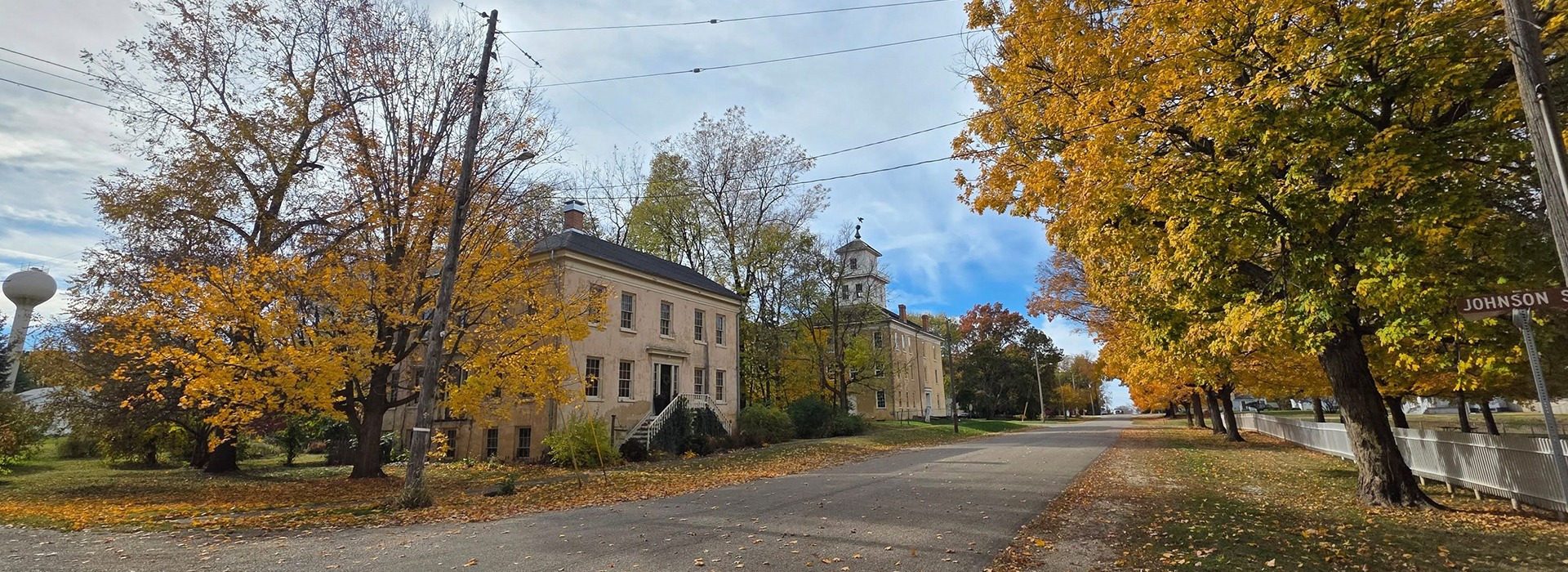
Among Henry County’s most treasured destinations is Bishop Hill, a historic Swedish settlement and the county’s largest tourist attraction. With a population of just 112 residents, Bishop Hill carries outsized cultural significance. Recent concerns over deteriorating state-owned buildings prompted a coordinated advocacy effort involving county officials, legislators, and community leaders. That effort has resulted in a commitment of up to $10 million—potentially more—from the Illinois Department of Natural Resources to preserve and restore the site.
For Henry County, saving Bishop Hill was never optional. “It’s part of who we are,” Kelly says. “We step up for our communities, no matter their size.”
Preparing the Workforce of Tomorrow
Economic development in Henry County is increasingly intertwined with education and workforce preparation. The opening of the Career and Technical Education Center at Geneseo High School marks a major milestone in that effort. The facility equips students with hands-on training in skilled trades, addressing regional shortages in electricians, plumbers, machinists, and builders.
Kelly points to examples where education and industry intersect seamlessly. In Orion, manufacturer Revolute Machine has secured contracts with Space Force and Starlink, producing precision components destined for space. The company is now planning a major facility expansion and mentoring the next generation of machinists, including local high school apprentices.
“That’s Henry County,” Kelly says. “Grassroots growth, real opportunity, and passing skills forward.”
Looking Ahead with Intention
As Henry County looks toward the next two years, priorities remain clear. Broadband expansion continues, with approximately 70 percent of rural areas already served by fiber and plans underway to reach remaining regions. Water conservation and clean water initiatives are gaining urgency as climate projections signal changing rainfall patterns and long-term agricultural impacts.
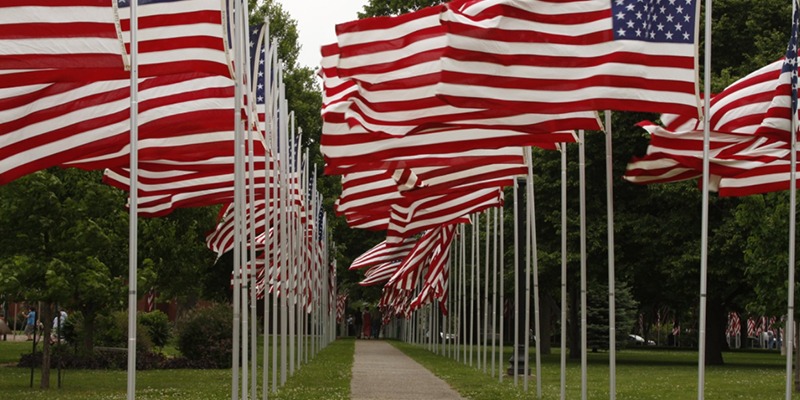
Infrastructure projects, including courthouse renovations and veterans memorial enhancements, are nearing completion, while municipalities continue refining downtown master plans and business recruitment strategies.
Above all, Henry County remains committed to being accessible, collaborative, and pragmatic. Developers, entrepreneurs, and partners know they will find open doors, clear communication, and thoughtful leadership.
“Henry County is easy to work with,” Kelly says. “If it fits our vision, we’ll engage, connect the dots, and make it happen.”
In a time when communities face increasing pressure to choose between growth and livability, Henry County has proven that the two can coexist. Through strategic investment, fiscal discipline, and deep respect for local character, the county is not just growing—it is growing well.
AT A GLANCE
Who: Henry County
What: A friendly, dynamic and resident-focused county that is investing in its bright future
Where: Illinois, USA
Website: www.henrycty.com
PREFERRED VENDORS/PARTNERS
Hammond Henry Hospital: www.hammondhenry.com
Hammond-Henry Hospital delivers medical excellence close to home, improving quality of life through compassionate, evidence-based care. We provide comprehensive services from preventive to rehabilitative, serving patients from infants to seniors. Our dedicated team fosters innovation, respect, and an exceptional patient experience for the communities we serve every day together locally.
