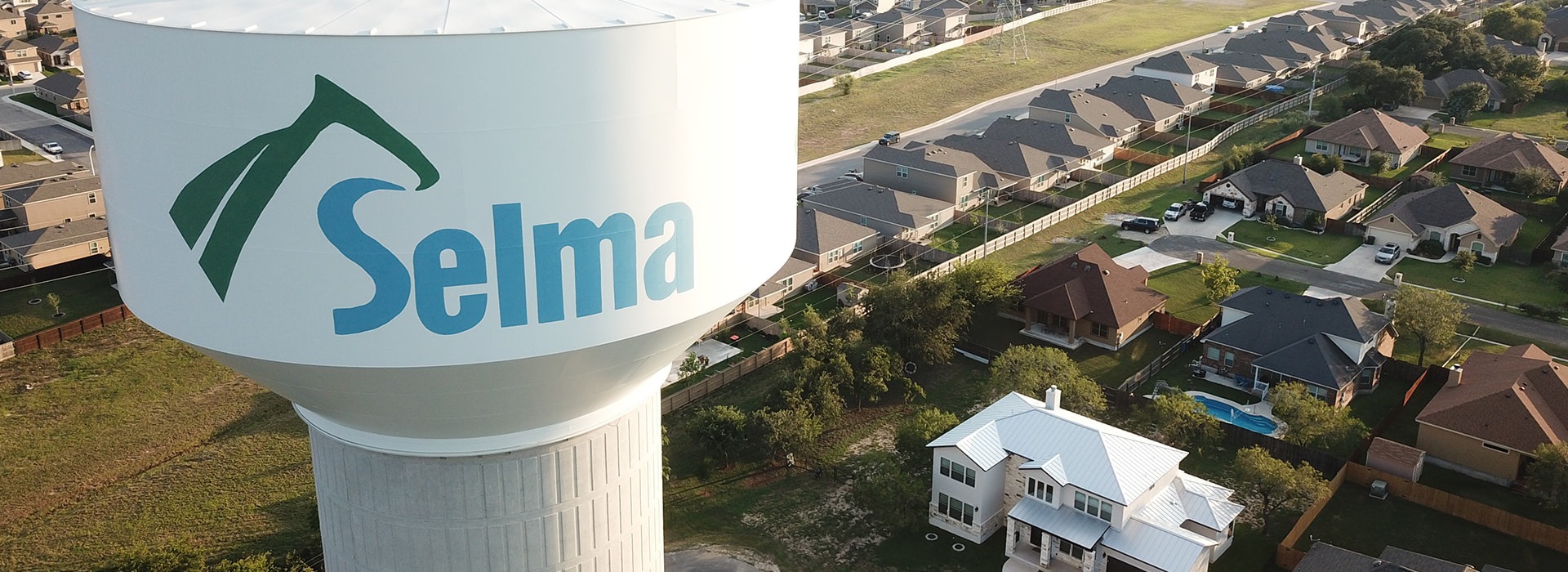
A Small City with Big-Corridor Momentum
Industrial Growth, Quality-of-Life Infrastructure, and a Rising Medical Hub Are Shaping the Civic Path Ahead
In the northeast San Antonio corridor, Selma has steadily earned a reputation for doing something many communities struggle to balance: keeping a small-town feel while operating with the pace, access, and opportunity of a much larger market. For Assistant City Administrator Wyatt Agee, that blend is central to what makes Selma distinctive—and why the city continues to attract both residents and employers.
“Location is a big one,” Agee says. “We’re landlocked right in the middle of the northeast side of San Antonio, and I-35 cutting us in half presents unique challenges and unique opportunities.” Yet even with that geography, Selma has built a clear identity rooted in quality of life—an intentional focus on making sure people don’t simply come to Selma to shop, but choose to stay.
With major retail attractions such as Retama Park and The Forum nearby, Selma already draws strong regional activity. The next phase is turning that traffic into long-term residency and long-term investment through coordinated infrastructure projects, housing additions, and continued industrial and commercial growth.
A “Downtown” Defined by Connectivity, Not Tradition
Unlike many municipalities, Selma does not have a traditional Main Street or historic downtown core. Instead, its primary community hub functions around key corridors—particularly the Lookout Road and Evans Road area—which has become a focal point for walkability, trails, and redevelopment-style growth.
Selma is preparing to update its master planning framework in the next year or two, recognizing that the city’s growth and infrastructure needs have evolved rapidly since earlier planning cycles. In the meantime, the city is already implementing significant improvements, especially around connectivity.
Trails and sidewalks have expanded along Evans Road and the creek corridor, and the city is actively working to connect the east and west sides of I-35. A major piece of this effort is the future trail connection under the interstate—an engineering and safety challenge, but one Selma believes is essential if it is to truly function as one connected community.
Lookout Road is also a priority. Next year, Selma plans to begin work on the southern portion of Lookout Road using MPO-supported funding. When complete, it will bring improved road surface, sidewalks, and bike lanes to areas that have felt left out of earlier pedestrian infrastructure investments. It will also strengthen north-south connectivity and provide another relief route as I-35 continues to experience congestion tied to ongoing TxDOT construction.
Industrial Growth with Limited Land and Strong Results
For a city with just five and a half square miles, Selma has done a notable job attracting commercial and industrial investment—so much so that future focus will increasingly shift from new development to redevelopment as remaining land inventory tightens.
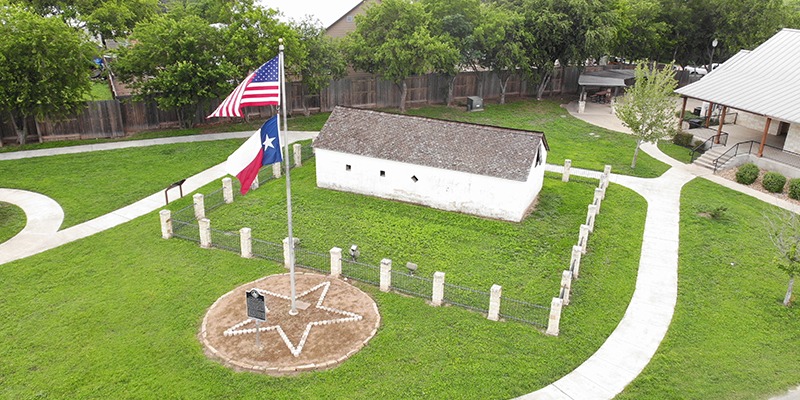
The industrial footprint continues to expand along key corridors such as Corporate Drive and Lookout Road, with continued development activity behind the historic Bluebonnet Palace and near major distribution assets like the Chick-fil-A distribution facility. When fully built out, Selma’s current pipeline is expected to exceed two million square feet of commercial space, with the majority tied to industrial and logistics uses.
Projects already landing or underway include employers such as Bloom and KGI Wireless, along with the Ford Motor Training Center and a new United States Postal Service regional distribution hub, both of which have been announced and are expected to become operational as development phases progress.
From Selma’s perspective, part of the competitive advantage is process. The city has prioritized business friendliness and permitting efficiency, aiming to reduce friction for companies that want to establish operations quickly.
“We’ve really focused on not making the process prohibitive,” Agee notes. “If businesses want to come here, we want to make it easy for them to do so.”
A Medical Corridor Taking Shape
One of Selma’s most significant catalysts in the near term is the University Health Systems – Retama Hospital which is currently under construction. While still in progress, the pace of construction has been notable, with projected completion targeted for late next year.
Selma expects the hospital to create a ripple effect of supporting uses, particularly medical office space and auxiliary services that typically cluster around major healthcare anchors. While Agee does not anticipate a medical district on the scale of San Antonio’s largest healthcare hubs, he does expect a corridor effect—especially given Selma’s limited available land and proximity to several neighboring communities.
The city’s long-term hope is that the hospital will also encourage more lifestyle-oriented development—additional restaurants, smaller entertainment offerings, and services that support both residents and the growing professional base tied to the medical sector.
Housing That Supports the Workforce
Selma is adding housing where it can, including projects designed to help keep workers close to employment centers in a corridor where travel times can be unpredictable—particularly with I-35 construction affecting commutes.
The Lookout Pointe Apartments project is in early stages, currently focused on grading and groundwork, with vertical construction still to come. The city expects a multi-year timeline, but views multifamily housing as a key pressure valve for housing availability and affordability, especially as industrial square footage grows and demand increases for nearby living options.
The opening of Selma Elementary School this fall also reinforces a broader signal: Selma is continuing to invest in the infrastructure of family life. Early responses have been positive, with community concerns focused less on opposition and more on safety improvements such as crosswalks and traffic flow during pickup and drop-off periods.
Workforce Development: Early Steps and Growing Potential
While Selma has not yet formalized workforce development initiatives directly with the local school districts, Agee notes that partnerships have historically been strong with Judson ISD and that city leadership maintains an active and supportive posture. With Selma Elementary now open, there is clear opportunity for deeper collaboration in the years ahead—particularly as school systems nationwide intensify career pathway programming to address trades and skilled labor shortages.
Agee also notes that Selma’s broader regional workforce pool remains a major advantage. The DFW-area labor shortage trends are felt in many markets, but Selma benefits from access to a large, skilled metro workforce, reducing immediate hiring strain for many employers.
Infrastructure Readiness and a Forward-Looking Capital Plan
Selma’s growth story is supported by the less visible—but most critical—foundation of municipal infrastructure. Agee credits previous councils and administrations with planning ahead, particularly on water and wastewater lines in industrial growth areas. That foresight has allowed Selma to keep pace with development rather than scramble to retrofit capacity after the fact.
Recently, Selma completed the reconstruction of Retama Parkway, a critical connector between I-35 and Lookout Road that serves key destinations including Retama Park and the future University Health Systems – Retama Hospital. Lookout Road improvements will follow, helping to create alternatives to I-35 congestion and enhancing bike and pedestrian access.
Looking ahead, Selma plans to develop an infrastructure capital plan to assess long-term needs, identify replacement cycles, and ensure the city remains ahead of wear-and-tear realities that inevitably emerge over time.
A City Focused on Service and Staying Power
When asked about Selma’s long-term trajectory, Agee returns repeatedly to service, responsiveness, and maintaining the position Selma has already earned. He describes Selma as rare in its accessibility—where residents and businesses can call City Hall and quickly get the answers they need, even escalating matters efficiently when necessary without arduous layers of bureaucracy.
Selma’s strategic goal over the next decade is not flashy. It is disciplined: continue being one of the premier suburbs in the San Antonio region, remain business-friendly, keep investing in parks and trail connectivity, and protect the quality of life that encourages people to stay.
That approach also supports one of Selma’s most important economic advantages: maintaining the lowest tax rate in the San Antonio area. Industrial and commercial growth helps sustain that position, allowing Selma to keep taxes competitive while continuing to deliver the services residents deserve.
In a region growing quickly and changing continuously, Selma’s strength lies in its ability to stay steady—expanding where it makes sense, reinvesting where land is limited, and keeping quality of life at the center of every decision.
AT A GLANCE
Who: Selma, Texas
What: A thriving community that looks to innovation, housing and business growth as we embark on 2026
Where: Northeast San Antonio Corridor, Texas
Website: ci.selma.tx.us
PREFERRED VENDORS/PARTNERS
Retama Park: www.retamapark.com
Retama Park is a pari-mutuel horse racetrack located in Selma, Texas, just 20 minutes from downtown San Antonio. Live Quarter Horse races take place each summer from June to August and year-round simulcast wagering is offered Wednesday to Sunday. Retama Park opened in 1995 and remains one of San Antonio’s top entertainment venues.
