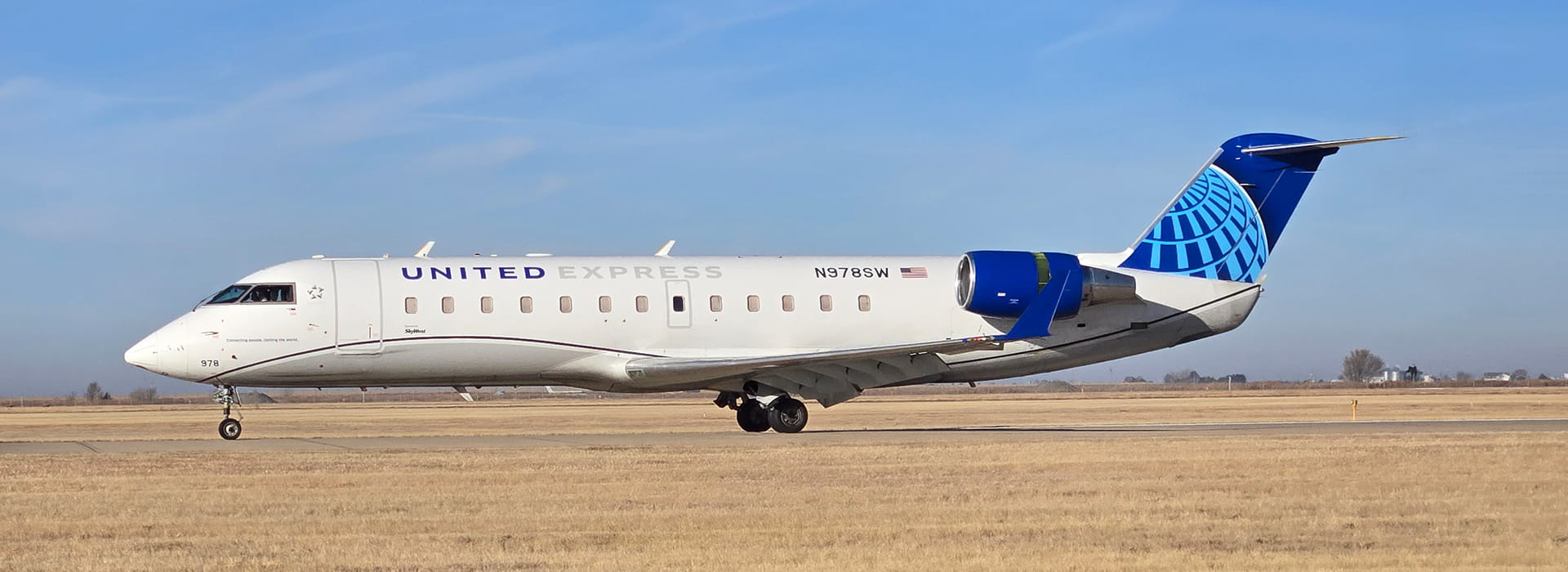
Airport Expansion Fuels a New Era of Regional Connectivity
Terminal Construction, FAA-Backed Infrastructure Upgrades, and Emerging Aviation Industry Opportunities Position the Airport for Long-Term Growth
Regional airports are often the quiet engines of local commerce—moving people, connecting businesses to national hubs, and serving as gateways for tourism, investment, and workforce mobility. Under the leadership of Airport Manager Brian Fornwalt, this airport is entering a pivotal expansion phase shaped by increasing passenger demand, FAA-supported capital projects, and a broader economic development push that is beginning to intersect with aviation training and emerging industry.
“We’re SkyWest through United,” Fornwalt explains. “And then we have a lot of commercial, corporate, and general aviation.” The airport currently supports two daily SkyWest flights to Denver, with one flight on Tuesdays and Saturdays, and the team is working to add a second destination—Houston—another major United hub that would significantly enhance connectivity for regional travelers.
Passenger growth is already providing a strong case for expanded capacity. Enplanements climbed from just over 8,000 last year to more than 9,000 this year, with potential to reach 10,000 depending on year-end volume. That increase, roughly 10 to 20 percent year-over-year, is placing immediate pressure on terminal space and supporting the airport’s push for larger-scale infrastructure investment.
Parking and Terminal Plans Built Around Growth
Two of the airport’s most significant projects—the parking lot expansion and terminal upgrade—are being pursued in tandem, each designed to support future flight growth while improving the passenger experience.
The parking lot expansion is currently in design, with plans to go to bid in March. The airport will submit its FAA funding application in April, with construction anticipated toward the end of next year or into early 2027, depending on award timelines. The project is expected to total roughly $2 million, with the FAA covering 95 percent of eligible costs.
While the parking expansion advances through the design and funding cycle, the terminal expansion remains a critical priority. Fornwalt is preparing to pursue approval through the FAA’s ATP program as that funding window reopens, aiming to secure support in the coming months.
The vision is clear. The terminal is expected to at least double in size, delivering space for two gates initially, with future capability to reach a third—an important step if additional flight service is added. Internally, the expansion will address operational limitations that are already evident.
The airport team is working within tight quarters, with Fornwalt and his assistant currently sharing an office. SkyWest office space is also limited. TSA operations are particularly constrained, with screening and back-of-house space becoming difficult once passenger loads exceed roughly 20 people in the secure area. The expansion will create dedicated and more secure TSA space, improve seating and circulation, expand the ticketing and lobby areas, and strengthen passenger comfort in peak windows.
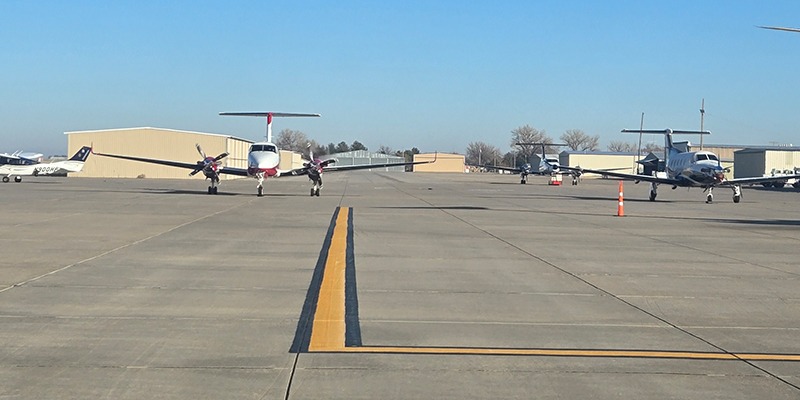
The project will also improve concessions and customer service support. Hertz, which currently operates with limited room inside the terminal, is expected to receive expanded space as part of the upgrade. The parking lot project also supports the rental car component, providing room for more vehicles and stronger service capacity as passenger volumes rise.
Commercial Strategy and Economic Development Links
Beyond passenger service, the airport continues to work closely with local economic development partners and city-county leadership to strengthen its role as an economic gateway. Fornwalt remains in regular contact with regional officials and communications leadership, reinforcing the airport’s visibility and ensuring aviation is part of larger community conversations around growth.
One potential development that could reshape the airport’s long-term positioning is a drone manufacturing operation expected to be located locally. While details are still emerging regarding which components will be produced, the airport is already participating in workforce conversations tied to the project.
Working with Kansas transportation leadership and the school district, the airport is exploring pathways to introduce aviation-related coursework at the high school level. Options include basic engineering coursework, light maintenance training, pilot education, and unmanned aircraft instruction. The idea is to build an early talent pipeline that can expand into post-secondary aviation programs at institutions such as Wichita State or Kansas State-affiliated programs in Salina, creating a structured pathway from local education into aviation careers.
That pipeline is already attracting student interest. Fornwalt recently heard from a high school student exploring airport management as a career, and the airport offered opportunities for an on-site tour, office shadowing, and operational observation during flight arrivals—an example of the airport’s practical approach to connecting local students to real-world career possibilities.
Leasing Opportunities and Airport Land Use
Like many regional airports, the field continues to pursue both aeronautical and non-aeronautical business opportunities. Leasing activity on vacant land has helped generate revenue, but recent interest has leaned more heavily toward non-aeronautical users. Fornwalt notes that attracting more aeronautical activity remains a priority, and the airport continues exploring how to make aviation-focused opportunities more compelling to prospective tenants.
While new non-aeronautical tenants have not recently been added, existing relationships remain stable, and the airport continues to position itself for future demand—particularly as the drone manufacturing project advances and as passenger service expands.
Tourism, Events, and General Aviation Demand
General aviation traffic is influenced by a mix of regional activity and seasonal tourism. The airport supports travelers attending unique local attractions such as Dorothy’s House and the Land of Oz experience, including the large ruby-slipper-themed slide that has become a signature draw. The community also hosts distinctive annual events, including Pancake Day, which adds to seasonal visitor traffic and community activity.
In the fall, hunting contributes to GA movement, and the region benefits from nearby attractions such as a rodeo held approximately 40 miles away—an event that brings visitors who fly into the airport and then drive or are picked up locally.
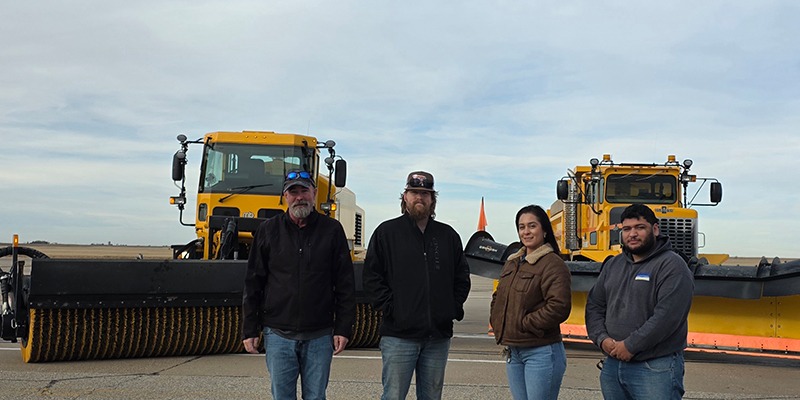
While much of this activity touches the airport indirectly, it reinforces an important point: the airport is not just a place to catch a commercial flight. It is a gateway to regional experiences, local traditions, and inbound spending.
2026 Priorities: Airfield Infrastructure and Safety Systems
Looking ahead, Fornwalt’s operational focus for the coming year centers on two major airfield projects: a parallel taxiway initiative and planned replacement work tied to PAPI and REIL systems, both scheduled to begin in February. These are significant safety and operational upgrades that support long-term reliability and capacity, especially as the airport works toward additional service and growing enplanement totals.
While terminal and parking expansion remain critical projects tied to multi-year funding timelines, these airfield improvements represent the immediate infrastructure work that will define the airport’s 2026 project calendar.
A People-Centered Leadership Approach
Asked what motivates him daily, Fornwalt points to the environment that makes airports unique. It is the steady flow of passengers, the variety of interactions, and the constant sense that each day brings different people and different stories through the terminal.
For a growing airport entering a major development cycle, that day-to-day energy is now paired with a clear sense of momentum. Passenger numbers are rising. FAA-backed projects are advancing. New industry possibilities are emerging. And the airport is steadily positioning itself not only as a transportation asset, but as a long-term driver of regional opportunity.
AT A GLANCE
Who: Liberal-Mid America Regional Airport
What: A small aviation hub that is investing in capital upgrades and making strides towards increased commercial services to complement its impressive GA traffic
Where: Liberal, in Seward County, Kansas
Website: www.visitliberal.com/liberal-mid-america-regional-airport
PREFERRED VENDORS/PARTNERS

Air Methods: www.airmethods.com
In 1980, Roy Morgan founded Air Methods after a personal experience convinced him that properly equipped and staffed air medical service helicopters were a must. With one helicopter and a single hospital contract in Colorado, he pledged his commitment to safety and outstanding patient care. Today, we hold those same values and are always ready to respond when it matters most. Annually, we conduct over 100,000 transports amassing over 150,000 flight hours.
