Reducing Emissions and Creating a Clean Future
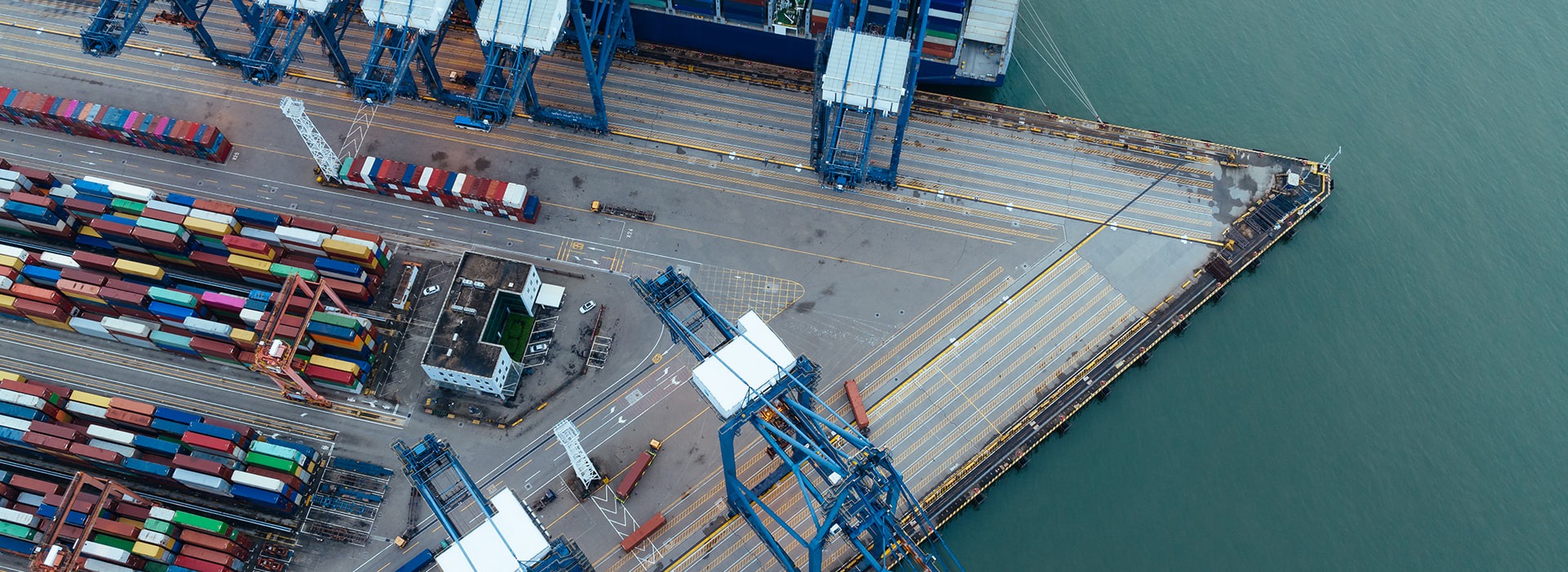
PORTS – The EPA Ports Initiative is focused on reducing emissions from diesel equipment operating at ports. The program promotes clean air best practices at U.S. ports that improve efficiency, enhance energy security, save costs, and reduce harmful health impacts. The Ports Initiative website offers a wide variety of technical tools and resources for port stakeholders to reference when adopting next-generation technologies and planning practices at ports, as there is a significant range of older equipment in operation at ports across the country. In particular, the Best Clean Air Practices for Port Operations page provides information and case studies about best practices at ports to reduce diesel pollution, including outcomes and lessons learned.
Building on the EPA Ports Initiative, the Clean Ports Program (CPP) awarded nearly $3 billion for clean port equipment and infrastructure, as well as planning activities at U.S. ports across 26 U.S. states and territories. These projects will improve air quality at ports while bolstering America’s industrial base and creating high-quality and good-paying jobs. Funded projects are ongoing and outlined on the Clean Ports Program Awards webpage. Updates on technology deployment and other project outcomes will be made publicly available as projects are completed.
TRANSIT – EPA’s Brownfields Program provides grants that are instrumental in transforming brownfields sites into community assets, including for public transit and transportation. Brownfields sites are often located within developed areas where the infrastructure needed for public transit already exists. EPA’s Brownfields Program presents a wide range of success stories describing projects that converted once neglected sites to boost local economies and enhance the quality of life for nearby residents.
Here are a few examples of Brownfields public transit and transportation successes:
- https://www.epa.gov/brownfields/r1-success-story-fonda-site-st-albans-vt
- https://www.epa.gov/brownfields/r1-success-story-union-station-springfield-mass
- https://www.epa.gov/brownfields/r1-success-story-bartlett-station-boston-mass
- https://www.epa.gov/brownfields/denver-co-promoting-transit-oriented-development-tod-and-affordable-housing
In addition, a recent case study of the Shipyard Project in Green Bay, WI, was made into a video published this summer. This video is an example of a transportation hub that integrates land redevelopment and community engagement, as well as the importance of sustainability as it pertains to growth. A script is available if desired.
EPA’s Superfund program is responsible for cleaning up some of the nation’s most contaminated land and responding to environmental emergencies, oil spills, and natural disasters. EPA’s Superfund Redevelopment program works with communities to provide site-specific reuse support and help return Superfund sites to productive use, including for public transit and transportation. The Superfund Program offers a few examples of the many cleanup success stories throughout the history of the Superfund Program.
A number of Superfund success stories relate to transportation and reuse, for example: