Preparing Students for a Dynamic Future
How One District Is Aligning Education, Workforce Readiness and Community Impact
Located in southeast Michigan, Waterford School District is redefining what it means to prepare students for life beyond graduation. As economic demands evolve and workforce pathways diversify, district leadership has adopted a forward-looking approach that blends academic excellence, career readiness, technology integration and deep community partnerships.
At the heart of this approach is a clear mission: ensuring every student leaves Waterford prepared to succeed in whatever path they choose—college, career, or technical training—while feeling supported, challenged and empowered throughout their educational journey.
A Vision Grounded in Individualized Learning
Superintendent Adam Martin describes the district’s philosophy as one that balances rigor with personalization. “Our goal is to ensure every student is prepared for post-high-school success,” he explains. “That means creating learning spaces that support students academically and socially, while holding them to high standards and recognizing that students come to us from very different backgrounds.”
Rather than a one-size-fits-all model, Waterford is increasingly focused on individualized pathways. Exposure begins early through project-based learning at the elementary level, where students develop critical thinking, collaboration and communication skills. As they progress into middle and high school, those early exposures evolve into more structured exploration through aptitude assessments, education development plans and career-aligned coursework.
Career Readiness in a Changing Economy
The district’s location near Detroit places it at the center of a diverse economic landscape that includes advanced manufacturing, automotive innovation, healthcare, technology and skilled trades. Waterford aligns its educational pathways accordingly, working closely with Oakland County’s Career Technical Education (CTE) programs and postsecondary partners.
High school students have access to CTE experiences that allow them to split time between their home schools and specialized training centers, while dual-enrollment opportunities enable students to earn college credit aligned with specific career goals. Fields such as healthcare, manufacturing, computer-aided design, culinary arts, cosmetology, early childhood education and medical forensics reflect both student interest and regional workforce demand.

Equally important are cooperative education and work-based learning opportunities. Through partnerships with Oakland Community College and local employers, students can gain hands-on experience—paid or unpaid—while still enrolled, giving them a clearer understanding of career expectations and workplace culture.
District leadership notes strong partnerships with universities—including Oakland University, Wayne State, Eastern Michigan, Central Michigan, and Northern Michigan—have further strengthened the talent pipeline through expanded student-intern and residency programs.
Technology as an Equalizer
Since 2020, Waterford School District has invested more than $18 million in curriculum and technology, with approximately $14 million dedicated specifically to digital infrastructure. The district is now fully one-to-one, providing Chromebooks to every student from kindergarten through grade twelve.
Classrooms are further enhanced by Promethean interactive boards, which function as collaborative digital hubs. Students can stream content from their devices, participate in real-time interactive lessons and engage more deeply with instructional material.
Beyond hardware, the district leverages adaptive learning platforms such as DreamBox and Lexia to provide individualized academic support. Importantly, many of these tools incorporate artificial intelligence to meet students at their current skill level and help close learning gaps efficiently and equitably.
Investing in Educators Through “Grow Your Own”
Like many districts nationwide, Waterford has faced challenges related to teacher shortages. Rather than relying solely on external recruitment, the district has taken a proactive, people-centered approach by investing in its own workforce.
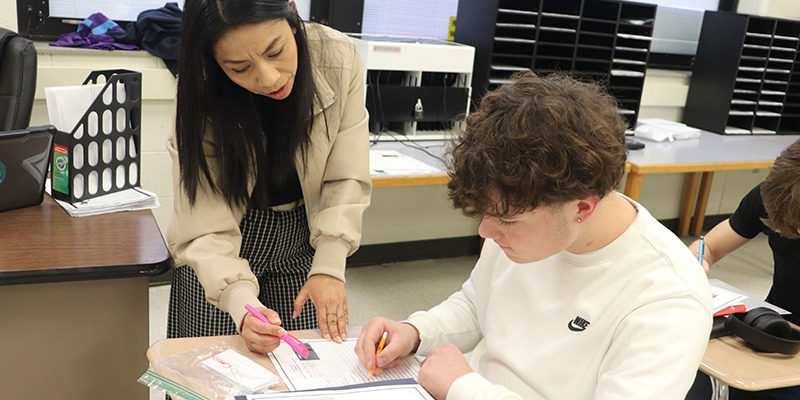
Through a $4 million grant from the Michigan Department of Education, Waterford launched its Grow Your Own program—one of only 80 districts statewide to receive the funding. The initiative provides a fully-funded pathway for current employees to earn teaching certifications or additional endorsements, eliminating barriers such as tuition, books, transportation and application fees.
For educators like Iris Love and Elisa Crabtree, both English Language Development (ELD) teachers, the availability of the Grow Your Own grant is a career gamechanger.
Crabtree, who is from Mexico, worked in the district for two decades as a Parent Resource and ELD assistant before entering the program. She says Grow Your Own has been transformative. Crabtree is working on an endorsement in Bilingual Bicultural Education at Wayne State University and will finish in June 2026. “It’s an investment in people who already love the district and understand the community,” she says. “That experience translates directly into better outcomes for students.”
Love’s journey is equally powerful. Originally from Guatemala, she began her career in Waterford as a paraprofessional while rebuilding her life as a single parent. The Grow Your Own program gave her the opportunity to pursue a long-held dream of becoming a certified teacher. Love will also graduate from Oakland University in April 2026. “This program didn’t just change my career—it changed my life,” she shares. “It recognized lived experience, cultural understanding and the value of investing in educators who reflect the students they serve.”
Safety & Facilities Investment
In 2020, voters approved a $150 million bond that has enabled Waterford to modernize facilities districtwide. One of the cornerstone projects is the Stepanski Early Childhood Center, which opened in 2023 and now serves approximately 600 children through early childhood education, preschool and childcare programs.
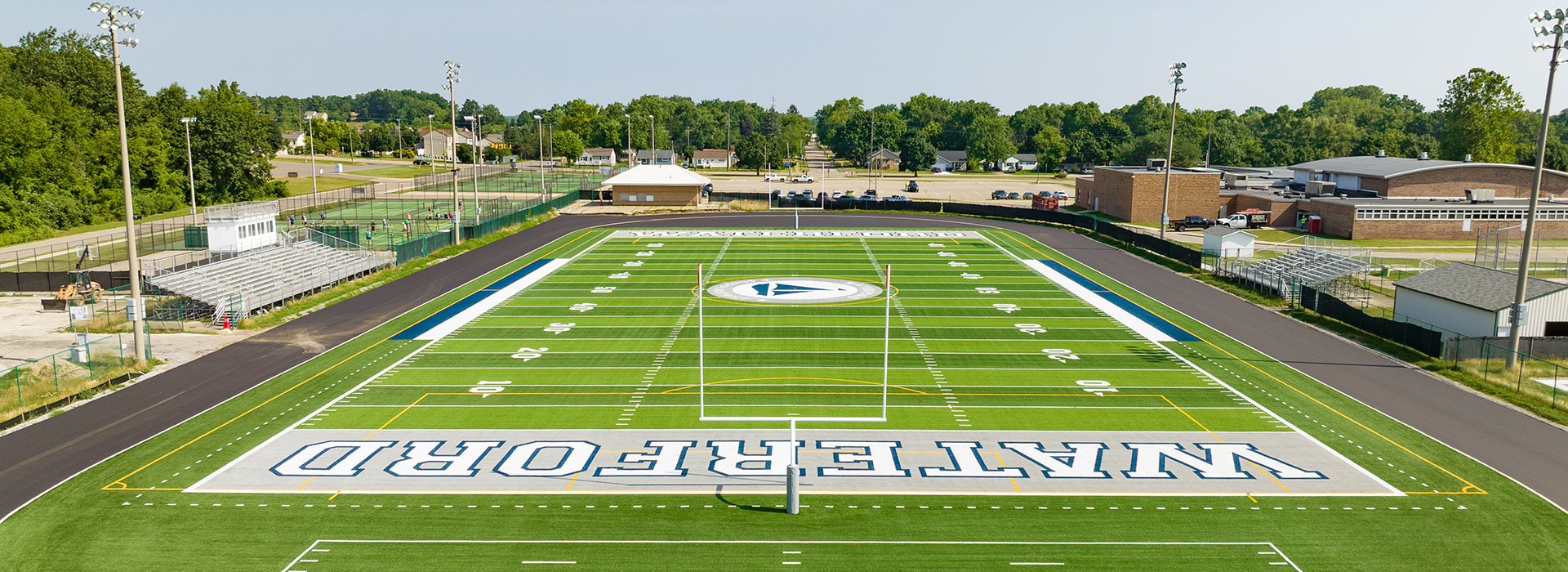
Additional bond-funded investments include upgraded performing arts centers, enhanced athletic facilities, improved playgrounds, and significant infrastructure upgrades. Safety remains a top priority, with continued enhancements that focus on providing a secure learning environment for students.
Waterford also benefits from a close partnership with local law enforcement. School resource officers are stationed at each middle and high school and they also serve as security liaisons to all nine elementary schools and the early childhood center. Ongoing staff training and collaboration with township police further reinforce a culture of preparedness and trust.
The Future Is Bright
As the district enters the final year of its current strategic plan, leadership is actively shaping the next phase of Waterford’s future. Over the next 18 to 24 months, priorities include developing a new five-year strategic plan, conducting a comprehensive facilities utilization study, and addressing enrollment trends that are impacting districts across Michigan and the nation.

At the same time, Waterford remains focused on strengthening academic programs, deepening community engagement, supporting educators and ensuring operational excellence. With the current bond to sunset in the coming years, conversations around future funding mechanisms are also underway.
“We’re very future-focused here,” Martin says. “Everything we do comes back to empowering our students to thrive in collaborative, relationship-rich environments. When you invest in education, you invest in the entire community—and that’s how you build a bright future.”
AT A GLANCE
Who: Waterford School District
What: A committed district with expanding educational pathways for its students
Where: Waterford, Michigan
Website: www.waterford.k12.mi.us