Inside the Cold Chain: Why Ultra‑Reliable Medical Freezers Are Now a Boardroom Issue
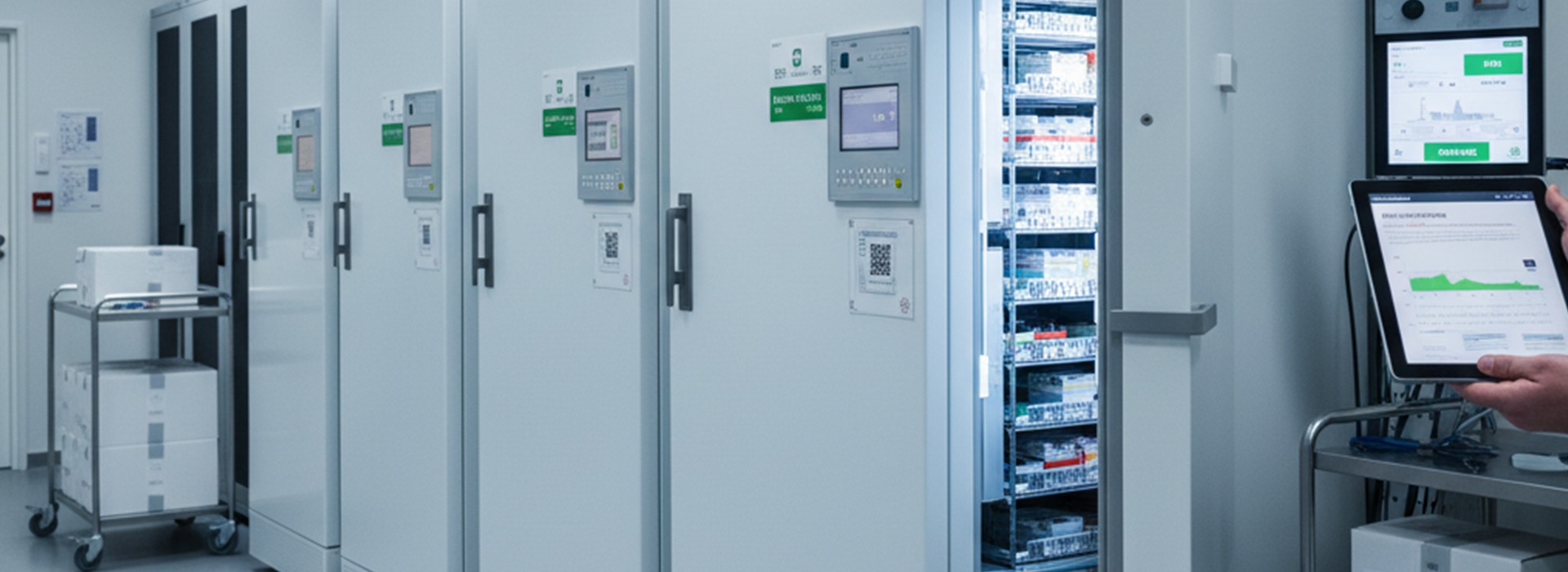
The image of a laboratory freezer humming quietly in a back room suggests something purely technical, far from the concerns of executives and investors. Yet in modern healthcare and life science, that silent cabinet has become a strategic asset. As biologic drugs, advanced vaccines and cell‑based therapies move from research pipelines to global markets, the stability of every vial depends on a precisely controlled cold chain. At the heart of that chain sit medical freezers that must deliver absolute reliability, traceability and energy efficiency.
For leaders across pharma, biotech and healthcare logistics, the question is no longer whether to invest in better cold storage, but how to treat it as a competitive differentiator. Failures in temperature control do not just threaten samples; they threaten product launches, regulatory approval, brand reputation and ultimately revenue. That is why the once‑mundane freezer has moved into the strategic planning of operations, ESG reporting and risk management.
From Lab Corner to Critical Infrastructure
Traditional laboratory freezers were designed for short‑term storage of reagents and samples, often in small research environments. Today’s landscape looks very different. Large‑scale clinical trials, global vaccine campaigns and commercial production of biologics demand tightly coordinated networks of storage units, operating at temperatures from standard refrigeration down to ultra‑low levels below -80°C.
This shift turns cold storage into critical infrastructure. If a single ultra‑low freezer in a centralized biobank fails, it may compromise thousands of patient samples collected over years. In a commercial warehouse, a malfunction could force the destruction of entire batches of temperature‑sensitive drugs, triggering supply shortages and expensive write‑offs. The financial impact quickly reaches seven or eight figures, not counting the damage to trust among healthcare providers and regulators.
To mitigate that risk, companies now specify redundancy, remote monitoring, continuous data logging and predictive maintenance as standard requirements. The freezer is part of a connected system, feeding data into quality management platforms and enterprise resource planning tools. Temperature curves, door‑opening patterns and alarm histories become performance indicators, reviewed alongside production yields and on‑time delivery metrics.
Regulatory Pressure and Data Transparency
Regulatory frameworks have accelerated this transformation. Good Distribution Practice and Good Manufacturing Practice guidelines require documented evidence that temperature‑sensitive products remain within specified ranges throughout storage and transport. Auditors do not simply ask whether a facility owns enough freezers; they ask how each unit is validated, monitored and maintained.
This pushes companies to adopt medical‑grade equipment with integrated compliance features. Advanced controllers record temperature data at short intervals, store it securely and make it easily retrievable for inspections. Audit trails show who acknowledged alarms and when corrective actions were taken. Calibration routines are embedded into maintenance schedules, supported by certificates and digital records.
The result is a new level of transparency. When a batch of vaccines or biologics reaches a hospital pharmacy, the entire temperature history from manufacturing site to point of care can be reconstructed. In case of deviations, decision‑makers have the data to determine whether products remain safe or must be discarded. That clarity protects patients and reduces unnecessary waste, both of which matter in a sector under constant pressure to prove safety and efficiency.
Energy, ESG and the Cost of Cold
While reliability and compliance dominate the risk conversation, energy consumption shapes the business case. Ultra‑low temperature freezers are among the most power‑hungry assets in a laboratory or warehouse. As energy prices rise and climate targets tighten, their efficiency becomes financially and reputationally significant.
Modern designs address this through improved insulation, variable‑speed compressors and smarter defrost cycles. Some facilities replace many small stand‑alone units with fewer, larger high‑capacity systems to reduce overall energy use and maintenance complexity. Others integrate cold storage planning into building management systems, balancing loads and monitoring performance across sites.
For companies reporting on environmental, social and governance metrics, these improvements are more than technical upgrades. Reduced energy consumption and refrigerant leakage feed directly into emissions reporting and sustainability narratives. Investors increasingly scrutinize such details, particularly in life science, where research facilities and manufacturing plants contribute a substantial share of corporate carbon footprints.
Digitalisation and the Rise of Smart Cold Storage
The next phase in cold chain evolution is digital. Smart freezers equipped with IoT sensors and cloud connectivity support predictive maintenance, remote troubleshooting and centralized control. Instead of reacting to alarm calls at night, facilities teams receive early warnings when performance drifts from optimal ranges, allowing intervention before products are at risk.
Data analytics identify patterns that human operators might miss. Frequent door openings at specific times, temperature fluctuations tied to ambient conditions or recurring alarms on particular units offer clues for process improvement. In large networks, this insight informs purchasing decisions, service contracts and even the layout of storage rooms and warehouses.
Digital integration also supports resilience. In the event of power outages or natural disasters, centralized systems coordinate responses: prioritizing backup power to critical units, guiding staff on which freezers to open or leave closed, and documenting every step for post‑event analysis. For pharmaceutical companies and healthcare providers, that capability turns a potential crisis into a managed incident.
Strategic Mindset for Cold Chain Success
As therapies grow more complex and personalized, the demands on cold storage will only intensify. Gene therapies, cell therapies and bespoke vaccines often require even tighter temperature tolerances and more sophisticated handling. In that context, treating freezers as commodity equipment is no longer viable.
A strategic mindset means involving operations leaders, quality managers, IT specialists and sustainability officers in cold chain decisions. It means budgeting not just for purchase price, but for lifecycle performance, energy use, service quality and digital integration. And it means recognizing that reliable, efficient and well‑documented cold storage underpins everything from patient safety to market access.
The quiet hum from the cold room is easy to ignore. Yet for organizations that depend on stable, high‑value biological products, that sound signals more than chilled air; it signals continuity of research, integrity of therapies and resilience of supply. Those who understand the strategic importance of their medical freezers will be better placed to deliver safe treatments, satisfy regulators and meet the expectations of an increasingly demanding healthcare landscape.