Raising the Bar in Senior Living
Expertly Scaling A-Class Communities, Strengthening Workforce Culture, and Expanding with Purpose
In a senior living sector facing rising demand, labor constraints, and increasing complexity, Koru Health is building its growth strategy around a clear belief: better outcomes start with better people, better environments, and a stronger overall experience for residents and staff alike. Headquartered in Wauwatosa, Wisconsin, Koru Health operates an owner-operator model that includes both owned communities and managed contracts, serving independent living, assisted living, memory care, and higher-acuity services that bridge the gap between traditional assisted living and skilled nursing.
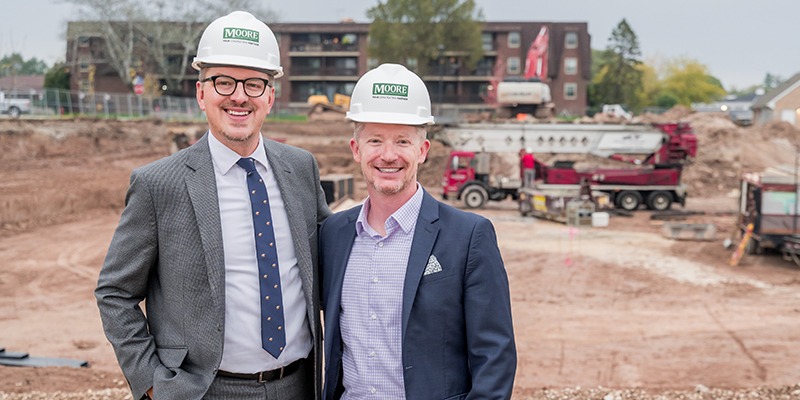
President Andy Lange describes Koru Health’s evolution as intentional and disciplined. The company began with a single managed contract in Racine, Wisconsin, and expanded to a peak of 14 communities, most within a manageable operating radius of Milwaukee, with two communities in Minnesota extending its footprint into the Twin Cities region.
From the start, Koru’s strategy blended select managed operations with acquisition activity, while prioritizing a core focus on new construction and what Lange calls an A-class property approach. In the Wisconsin markets the company targeted, Koru believed there was room to reset expectations by delivering stronger physical assets and a higher standard of service in environments where supply constraints can sometimes breed complacency.
That focus on physical quality has been paired with growth metrics that reflect scale and momentum. With communities under construction and a resident base nearing the 1,000 mark, Koru’s longer-range plan targets approximately 5,000 units over a 15-year horizon. In the near term, Lange says the company is positioning itself for acquisition opportunities, anticipating that industry-wide transaction activity will accelerate into late 2026 and 2027 as market conditions evolve. Geographic expansion plans include western Wisconsin and continued growth in the outer tiers surrounding the Twin Cities.
While the portfolio strategy is clear, Lange emphasizes that Koru’s differentiator begins with a less common starting point in senior living: the internal customer. He describes Koru as a company built first around the employee experience, with the belief that service quality, resident satisfaction, and operational performance all improve when staff are supported, developed, and retained. One of Koru’s earliest hires was in human resources, a decision Lange acknowledges is not always typical for growing operators, but one that reflects the organization’s priorities. In his view, there is no sustainable external customer success without a stable, engaged internal customer base.
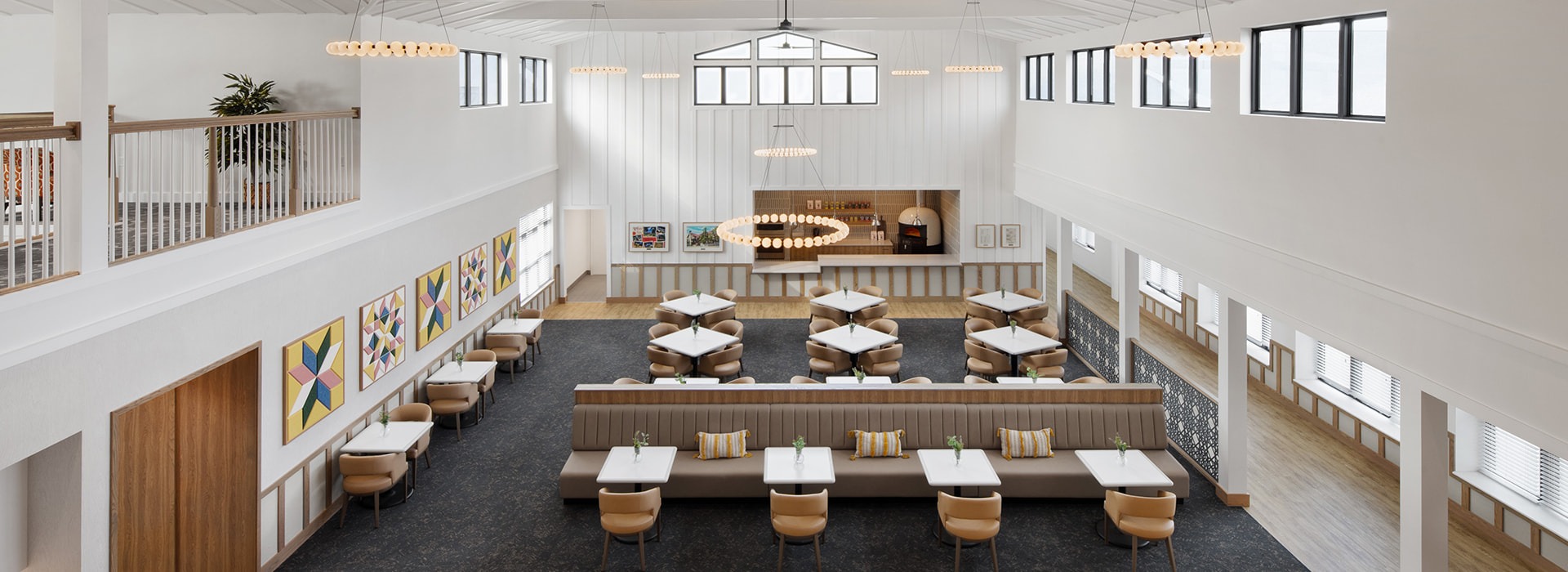
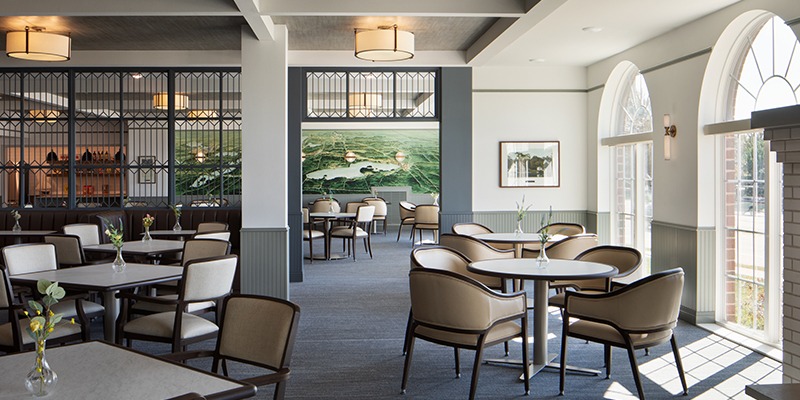
From there, the company’s operating model takes a deliberately holistic view of the resident experience. Lange notes that as customer expectations shift—particularly with the next wave of seniors—successful senior living communities must deliver more than care services alone. Koru’s emphasis is on lifestyle, culture, wellness, culinary programming, and meaningful connection, paired with the supportive services residents expect as a baseline. That shows up in expanded amenities and community design, including wellness offerings and robust programming that brings outside educators, providers, and community members into Koru communities. The goal is to keep residents engaged, connected, and fulfilled, especially as mobility decreases and external access narrows with age and health changes.
A particularly important component of Koru’s model is its micro-market strategy. Lange points to a long-observed dynamic in senior living: the majority of both residents and employees typically come from a small geographic radius, often within three to seven miles of a community. That reality has shaped how Koru designs and programs each property. Rather than applying a cookie-cutter model across locations, Koru aims to tailor each community to local culture, history, and expectations so residents feel connected to where they live, rather than feeling as though they moved into a generic product. In Lange’s view, this localized customization strengthens both resident satisfaction and community trust, and becomes an operational advantage as the company expands.
Koru’s approach is also shaped by what Lange describes as a supply-and-demand crisis in senior living. He believes that in many markets there is simply not enough inventory to meet current and future demand, and that this imbalance can create conditions where operators are not consistently pressured to improve. Koru’s strategy has been to treat that environment as an opportunity, building a service and asset model designed to exceed market norms, while also strengthening the workforce layer that, in Lange’s words, is often the weakest link in the chain for many operators. Koru’s internal capabilities include specialized expertise such as dementia-focused programming, trained leadership, and expanded quality-of-life initiatives like sensory engagement and therapeutic support—areas that are increasingly central in memory care and higher-acuity settings.
Like every operator in the sector, Koru was tested during COVID-19. Lange describes the period as traumatic and complex, intensified by the reality that senior living is already a highly regulated environment, layered with emotional demands that come with aging, health decline, and end-of-life transitions. In that context, COVID created an even more intense operational and psychological environment, including rapid regulatory changes, conflicting guidance at times, and significant pressure on staff.
Koru’s response centered on adaptability, disciplined cost management, and operational prioritization. Lange emphasizes a principle that guides decision-making: “it costs what it costs.” In other words, senior living operators can only cut so far before service quality and staff stability begin to erode. The company worked to mitigate volatility by strengthening internal inventory practices, refining vendor leverage and purchasing agreements, consolidating oversight where possible, and evolving communication systems to keep families informed and teams aligned. Lange notes that many of the operational improvements that emerged during the pandemic remain embedded today, including better digital communication practices, sharpened internal reporting priorities, and stronger clinical and infection-control competence developed through necessity.
Perhaps most importantly, Lange believes COVID sharpened the organization’s sensitivity to internal customer needs. In a period where labor availability became critical to serving seniors safely, Koru doubled down on staff support and retention, and Lange says many team members who endured the most challenging period remained with the company. In his view, the organization’s leadership grew through that experience, developing a deeper capacity to care for employees while serving residents under pressure.
Koru’s strategy also extends beyond operations into long-term relationship building. Lange explains that the company works deliberately to establish and maintain stable vendor and partner relationships, preferring long-term alignment over frequent change. He cites key partnerships that support Koru’s growth and performance, including First Business Bank for financing and banking relationships, and M3 Insurance as a comprehensive risk management and insurance partner. Lange describes Koru’s approach to risk and insurance as collaborative rather than transactional, viewing risk assessments and recommendations as part of continuous quality improvement rather than an external burden. On the culinary side, Koru works with Martin Bros. to support menu quality and nutritional programming, leveraging access to expertise such as dietitians to meet the specific dietary needs of an aging population while reinforcing one of senior living’s most important experiential drivers: food quality.
Looking ahead, Koru’s priorities over the next 18 to 24 months reflect both growth and mission. Lange emphasizes continued cultivation of the relationships that have fueled the company’s expansion, including strong support from the Wisconsin business community and equity partners who helped Koru execute its startup strategy. Operationally, Koru expects to expand service lines into areas that support broader payer models and reimbursement structures, including movement toward Medicare and Medicaid billing through services such as home health, therapy, and other extensions not prioritized during the startup phase. Lange believes these additions can improve both customer outcomes and financial stability, while strengthening Koru’s ability to serve an increasingly diverse senior population.
Geographically, expansion efforts will focus on western Wisconsin and continued growth across the Minnesota corridor, with additional opportunities emerging around the broader Great Lakes region. Lange stresses that Koru intends to remain methodical, allowing disciplined analysis and market-fit confidence to guide growth, rather than letting growth pressure drive decisions.
One of Koru’s most purpose-driven initiatives is the formation of a nonprofit foundation structured as a 501(c)(3). Lange describes the foundation as a vehicle designed to support indigent seniors and employees, recognizing the growing reality of seniors “spending down” and relying on public assistance for healthcare services. In his view, there are meaningful gaps in what public support covers, and a nonprofit platform—combined with the philanthropic mindset of many stakeholders already aligned with Koru—can help close those gaps and improve quality of life. The foundation is also intended to support workforce development and retention, reinforcing the idea that long-term senior care stability requires both resources and people.
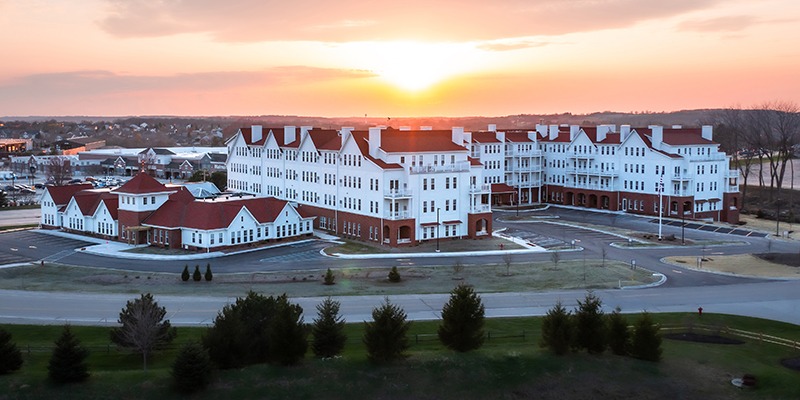
In a sector where demand is rising faster than capacity and workforce pressures remain intense, Koru Health is positioning itself to grow through a combination of A-class development, localized market customization, disciplined expansion, and a culture built on internal customer strength. For Lange, the long-range goal is not growth alone. It is growth that improves outcomes, elevates standards, and creates a senior living model capable of meeting the needs of the next generation—both with operational excellence and with purpose.
AT A GLANCE
Who: Koru Health
What: A progressive and community based senior living and assisted living organization focused on best health outcomes
Where: Wauwatosa, Wisconsin
Website: www.koruhealth.org
PREFERRED VENDORS/PARTNERS

M3 Insurance: www.m3ins.com
M3 is a top national private and independent insurance broker and risk management firm. Recognized as a leader in the products it represents and the industries it serves, M3’s people act as an extension of each client’s team, providing world-class resources to help manage risk, secure insurance solutions, and deliver comprehensive employee benefits.